
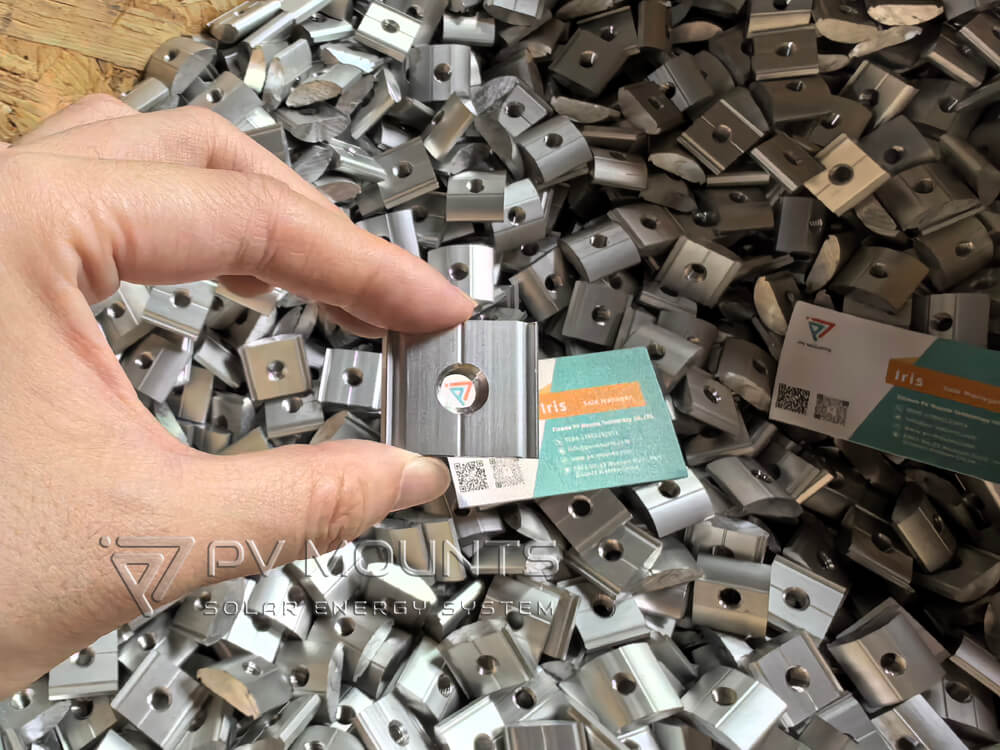
1.Introduction
When sourcing solar mounting hardware for rooftop solar projects, most EPC contractors focus on product specifications, pricing, and delivery schedules.
However, procurement challenges often arise long before installation begins.
Incompatible components, delayed shipments, inconsistent quality, and limited technical support can all affect project profitability and installation timelines.
In many cases, the issue is not the mounting hardware itself—it is the type of supplier chosen.
Should EPC contractors purchase from a solar mounting hardware supplier, or work directly with a solar mounting hardware manufacturer?
The answer depends on project size, technical requirements, procurement strategy, and long-term business goals.
This guide explains the differences, advantages, limitations, and selection criteria that EPC contractors should consider before making procurement decisions.
2.Understanding the Difference Between a Supplier and a Manufacturer
Although the terms are often used interchangeably, solar mounting hardware suppliers and manufacturers play different roles within the supply chain.
2.1What Is a Solar Mounting Hardware Supplier?
A supplier typically purchases products from one or multiple manufacturers and resells them to installers, distributors, contractors, or project developers.
Suppliers often provide:
- Local inventory
- Product sourcing services
- Multi-brand product selection
- Regional logistics support
For smaller projects, suppliers can simplify purchasing by offering multiple product categories from a single source.
However, suppliers may have limited influence over product design, production schedules, or engineering modifications.
2.2 What Is a Solar Mounting Hardware Manufacturer?
A manufacturer designs, produces, and controls the production of mounting hardware directly.
Manufacturers typically provide:
- Product engineering support
- Production management
- Quality control systems
- Customization capabilities
- Project-specific solutions
For EPC contractors managing commercial and industrial solar projects, direct communication with a manufacturer can often improve technical coordination and procurement efficiency.
Solar mounting hardware is more than a collection of components.
3.Why the Choice Matters for EPC Projects
It forms the structural foundation of the entire PV system.
A procurement decision that appears minor during the quotation stage can significantly affect installation efficiency, project costs, and long-term reliability.
When evaluating procurement options, EPC contractors typically focus on five key factors:
- Cost Control
- Lead Time Reliability
- Product Compatibility
- Engineering Support
- Customization Flexibility
The ability to balance these factors often determines whether a project proceeds smoothly or encounters unexpected delays.
4.Real Procurement Scenarios: Supplier or Manufacturer?
Scenario 1: Small Replacement Order
Best Choice: Supplier
Reason:
Local inventory and fast delivery.
Scenario 2: New Commercial Rooftop Project
Best Choice: Manufacturer
Reason:
Engineering support and component compatibility.
Scenario 3: Custom Tile Roof Hook Requirement
Best Choice: Manufacturer
Reason:
Customization capability.
Scenario 4: Urgent Grounding Clip Replenishment
Best Choice: Supplier or Manufacturer with Stock
Reason:
Lead time is the key factor.
5.Supplier vs Manufacturer: A Practical Comparison
| Evaluation Factor | Supplier | Manufacturer |
|---|---|---|
| Product Knowledge | Moderate | High |
| Engineering Support | Limited | Strong |
| Customization Capability | Usually Limited | متوفرة |
| Production Control | No | Yes |
| Lead Time Visibility | Indirect | Direct |
| Cost Transparency | Moderate | High |
| Component Compatibility | Depends on Source | Better Controlled |
| Project-Based Support | Limited | More Flexible |
| Urgent Design Changes | Difficult | Easier to Implement |
| OEM/ODM Services | Rare | Common |
The best option depends on the specific requirements of each project rather than a universal rule.
Quick Decision Guide for EPC Contractors
| Project Situation | Recommended Choice |
|---|---|
| Small replacement order | Supplier |
| Urgent local delivery | Supplier |
| Commercial rooftop project | Manufacturer |
| Industrial rooftop project | Manufacturer |
| Customized roof hook requirement | Manufacturer |
| Large-volume procurement | Manufacturer |
| Multiple stainless steel accessories | Manufacturer |
| Project-specific engineering support | Manufacturer |
6.When a Supplier May Be the Better Choice
Working with a supplier can be advantageous in several situations.
6.1 Small or Occasional Purchases
For contractors purchasing limited quantities of mounting hardware, suppliers may provide faster access to inventory without requiring direct factory coordination.
6.2 Mixed Product Requirements
Some projects require products from multiple categories, such as mounting hardware, inverters, electrical equipment, and monitoring systems.
Suppliers can sometimes consolidate procurement into a single order.
6.3 Local Inventory Availability
Local suppliers may maintain inventory that can reduce shipping times for urgent replacement requirements.
For service and maintenance projects, this convenience can be valuable.
However, for larger rooftop solar projects, EPC contractors often require additional technical support and greater control over product specifications.
7.When EPC Contractors Benefit Most from Working With a Manufacturer
Direct cooperation with a solar mounting hardware manufacturer becomes increasingly beneficial as project complexity increases.
7.1 Custom Roof Structures
Not all roofs follow standard dimensions.
Industrial buildings frequently have unique roof profiles that require modified mounting solutions.
Manufacturers can evaluate roof drawings and provide project-specific recommendations that suppliers may not be able to offer.
7.2 Customized Roof Hooks and Attachments
Tile roof projects often require customized roof hooks to match local roof tile structures.
Similarly, trapezoidal metal roofs may require attachment solutions that fit specific rib dimensions.
Working directly with a manufacturer makes customization significantly easier and more efficient.
7.3 Large Procurement Volumes
For large EPC projects, direct factory sourcing can improve cost transparency and production planning.
Manufacturers are generally better positioned to support phased deliveries and long-term procurement schedules.
7.4 Engineering Coordination
Engineering communication becomes increasingly important when dealing with wind loads, structural requirements, corrosion resistance, and installation methods.
Manufacturers can often provide more direct technical support during project planning and execution.
8.Common Challenges EPC Contractors Face When Working with Multiple Suppliers
For rooftop solar projects, procurement is not only about obtaining components at the lowest price. It is also about ensuring compatibility, installation efficiency, and project execution.
When mounting hardware is sourced from multiple suppliers, EPC contractors often face several challenges.
8.1 Inconsistent Component Compatibility
Components supplied by different vendors may not always work together seamlessly.
For example, rail dimensions, clamp specifications, or fastening systems can vary between manufacturers. Even small differences may create installation difficulties and increase labor costs on site.
8.2 Different Lead Times
Each supplier typically operates with its own production schedule and inventory management process.
When one component arrives later than expected, the entire installation schedule can be affected.
8.3 Multiple Quality Standards
Quality control systems vary significantly between suppliers.
Using components from different sources may introduce inconsistencies in material quality, corrosion resistance, or manufacturing tolerances.
8.4 Increased Communication Complexity
Managing quotations, technical questions, production updates, and shipping schedules across multiple suppliers requires additional time and resources.
For EPC contractors handling multiple projects simultaneously, procurement efficiency becomes increasingly important.
9.Why Stainless Steel Solar Mounting Accessories Require Closer Coordination
Compared with rails and structural components, stainless steel solar mounting accessories often represent a relatively small portion of the total project cost.
However, they can have a significant impact on installation efficiency and system reliability.
Common accessories include:
- Tile Roof Hooks
- Adjustable Roof Hooks
- خطافات سقف شبه منحرف
- Grounding Clips
- Cable Clips
- Water Drainage Clips
- Bonding Components
- Fastening Hardware
Although these components are small, missing or incompatible accessories can delay installation and increase procurement complexity.
For this reason, many EPC contractors prefer working with a manufacturer that can provide a complete range of stainless steel solar mounting accessories from a single source.
This approach helps improve compatibility, simplify logistics management, and reduce procurement risks.
10.Why Many EPC Contractors Source Stainless Steel Accessories Directly From Manufacturers
Compared with major structural components such as rails and mounting frames, stainless steel solar mounting accessories typically represent a relatively small portion of the overall project budget. However, these components often have a direct impact on installation efficiency, system reliability, and procurement management.
As a result, many EPC contractors prefer to source stainless steel accessories directly from manufacturers rather than through multiple intermediaries.
Better Component Consistency
A rooftop solar mounting system relies on the compatibility of all components working together.
When roof hooks, grounding clips, cable clips, water drainage clips, and fastening hardware are sourced from different suppliers, dimensional tolerances, material specifications, and quality standards may vary.
Working directly with a manufacturer helps ensure greater consistency across all components, reducing installation issues and improving overall system reliability.
Faster Customization for Project Requirements
Not all rooftop solar projects use standard roof structures.
Different tile profiles, trapezoidal metal roof dimensions, and regional installation requirements often require modified mounting accessories.
Manufacturers can typically provide customized roof hooks, attachment brackets, or project-specific accessories based on roof drawings and engineering requirements. This flexibility helps EPC contractors solve installation challenges more efficiently than relying solely on standard catalog products.
Stock Availability for Urgent Projects
Project schedules do not always allow long procurement cycles.
Accessories such as tile roof hooks, trapezoidal roof hooks, grounding clips, cable clips, and water drainage clips are often needed on short notice due to design changes, quantity adjustments, or replacement requirements.
Manufacturers that maintain inventory of commonly used stainless steel accessories can help EPC contractors reduce lead times and avoid unnecessary project delays.
No MOQ Flexibility
Many solar projects require only a limited number of replacement or supplementary components.
Some manufacturers offer flexible purchasing options with no minimum order quantity requirements for standard stainless steel accessories.
This allows EPC contractors and installers to procure only the quantities they need, helping reduce inventory pressure and improve cash flow management.
Easier BOM Management
Managing procurement across multiple suppliers increases communication effort, delivery coordination, and compatibility verification.
By sourcing roof hooks, grounding accessories, cable management components, and fastening hardware from a single manufacturer, EPC contractors can simplify BOM management and reduce procurement complexity.
This approach not only improves purchasing efficiency but also helps ensure that all mounting components are designed to work together within the same rooftop solar mounting system.
A More Efficient Procurement Strategy
For many commercial and industrial rooftop solar projects, the objective is not simply obtaining the lowest component price. Instead, successful EPC contractors focus on reducing procurement risks, improving installation efficiency, and maintaining consistent quality throughout the project.
For this reason, direct cooperation with a solar mounting hardware manufacturer is often the preferred strategy when sourcing stainless steel solar mounting accessories for EPC projects.
11.Questions EPC Contractors Should Ask Before Choosing a Solar Mounting Hardware Partner
Before selecting a supplier or manufacturer, EPC contractors should evaluate more than pricing alone.
The following questions can help identify a reliable long-term partner.
Do You Manufacture the Products Yourself?
Understanding whether a company operates its own production facility helps clarify its level of control over quality, lead times, and customization capabilities.
Can You Support Customized Designs?
Roof structures vary significantly between regions and projects.
The ability to modify roof hooks, mounting brackets, or fastening systems can be critical for special applications.
Do You Keep Common Accessories in Stock?
Inventory availability directly affects project timelines.
Products such as roof hooks, grounding clips, cable clips, and water drainage clips are frequently required for urgent projects.
What Is Your Typical Lead Time?
Reliable delivery schedules help EPC contractors manage project planning and installation resources more effectively.
Can You Provide Project-Based Recommendations?
Manufacturers with engineering experience can often recommend suitable mounting solutions based on roof drawings, environmental conditions, and project requirements.
Is There a Minimum Order Quantity?
Flexible procurement options are particularly important for maintenance projects, pilot installations, and urgent replacement orders.
12.How Manufacturers Can Add Value Beyond Product Supply
Many EPC contractors initially focus on product pricing.
However, long-term project success often depends on factors beyond hardware costs.
A professional solar mounting hardware manufacturer can provide:
Engineering Support
Assistance with roof attachment selection, mounting layout recommendations, and component compatibility.
Custom Development
Customized roof hooks, brackets, and accessories designed for unique roof structures.
Inventory Flexibility
Stock availability for commonly used stainless steel solar mounting accessories.
Procurement Simplification
The ability to source multiple compatible components from one supplier.
Faster Problem Resolution
Direct communication with engineering and production teams when project adjustments are required.
These advantages often help reduce hidden project costs that are not immediately visible during the quotation stage.
13.How PV Mounts Supports EPC Procurement
Many EPC contractors today prefer to reduce supplier management complexity by sourcing roof hooks, grounding clips, cable clips, water drainage clips, and other stainless steel mounting accessories from a single manufacturing partner.
PV Mounts focuses on rooftop solar mounting systems and stainless steel solar mounting accessories for EPC contractors, installers, and distributors.
Our product range includes:
- Tile Roof Hooks
- Adjustable Roof Hooks
- خطافات سقف شبه منحرف
- ل قدم
- Grounding Clips
- Cable Clips
- Water Drainage Clips
- RV Solar Mounting Accessories
To support project flexibility, many stainless steel accessories are available from stock with no minimum order quantity requirements.
For projects involving unique roof structures, our engineering team can also assist with customized mounting solutions and project-specific recommendations.
This combination of inventory availability, customization capability, and engineering support helps EPC contractors reduce procurement risks and improve project execution efficiency.
14.Procurement Recommendation
| If Your Project Needs | Recommended Partner |
|---|---|
| Local stock availability | Supplier |
| Small replacement orders | Supplier |
| Standard hardware sourcing | Supplier or Manufacturer |
| Customized roof hooks | Manufacturer |
| Engineering support | Manufacturer |
| Large EPC projects | Manufacturer |
| Multiple stainless steel accessories | Manufacturer |
| BOM optimization support | Manufacturer |
15.FAQ
Not always. Pricing depends on order volume, logistics costs, and project requirements. However, manufacturers often provide better cost transparency and more flexibility for larger projects.
Ask about production facilities, quality control procedures, engineering capabilities, and customization experience. Factory audits and product certifications can also provide additional verification.
Grounding clips, cable clips, water drainage clips, bonding washers, and fastening hardware are among the most commonly forgotten components during procurement.
No. Some manufacturers offer flexible purchasing options for standard products and accessories, particularly when stock is available.
Stainless steel accessories improve corrosion resistance, durability, and long-term system reliability, especially in coastal and humid environments.
Providing roof type, roof drawings, module dimensions, project capacity, installation location, and environmental requirements helps suppliers prepare more accurate quotations and recommendations.
By verifying roof structures, confirming component compatibility, reviewing lead times, including all accessories in the BOM, and working with experienced solar mounting hardware partners.
A genuine manufacturer usually has its own production facilities, engineering team, and quality control process. Ask whether they can provide factory information, customization support, and direct technical assistance. Manufacturers typically have greater control over production and lead times.
For large rooftop solar projects, sourcing roof hooks directly from a manufacturer often provides better technical support, customization options, and component compatibility. It can also simplify communication and reduce procurement risks.
Yes. Most manufacturers offer standard products for common roof types and can also develop customized roof hooks, brackets, and accessories based on project requirements or roof drawings.
16.Conclusion
Choosing between a solar mounting hardware supplier and a manufacturer is not simply a purchasing decision—it is a project management decision.
For small orders and local inventory requirements, suppliers may provide convenience and flexibility.
For commercial and industrial rooftop solar projects that require engineering support, customization, component compatibility, and long-term procurement reliability, direct cooperation with a solar mounting hardware manufacturer often provides greater value.
By evaluating technical capabilities, inventory availability, customization support, and project experience, EPC contractors can build stronger procurement partnerships and improve overall project performance.
Whether you are sourcing roof hooks, grounding clips, cable clips, water drainage clips, or complete rooftop solar mounting hardware, selecting the right manufacturing partner can simplify procurement and improve project efficiency.
If you have an upcoming solar project, feel free to share your roof type, drawings, or BOM list. Xiamen PV MOUNTS team can help recommend suitable solar mounting solution,mounting hardware and stainless steel accessories based on your project requirements.

 Arabic
  English
  Spanish
  Portuguese
  Russian
  Hungarian
  Romanian
  French