
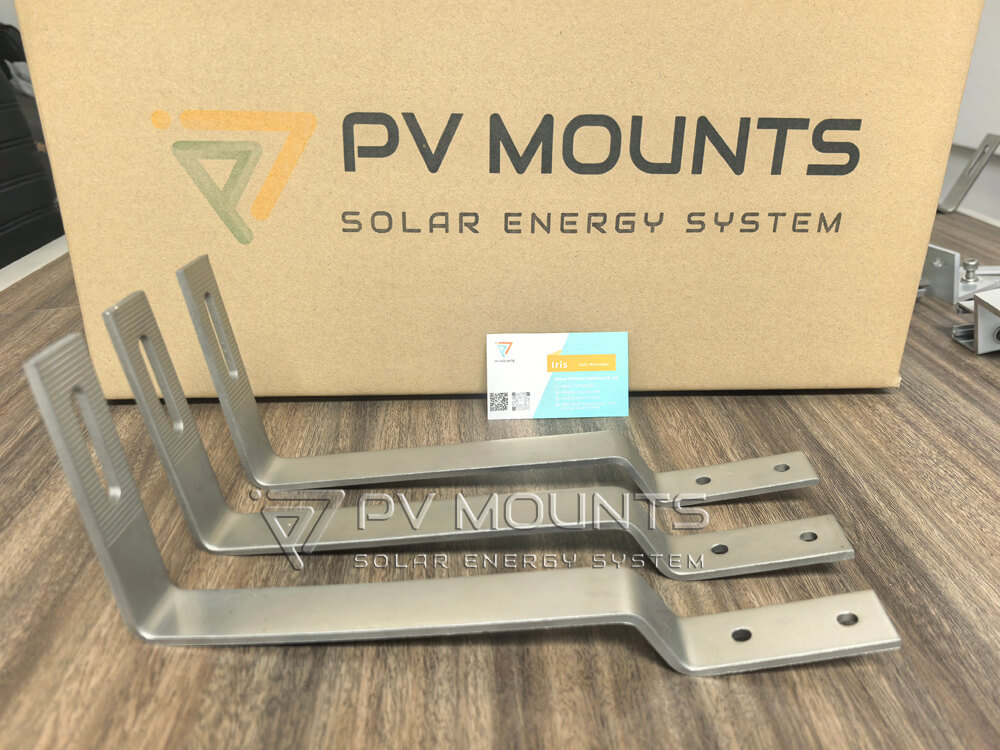
1. Introduction: Engineering-Based Roof Hook Selection in EPC Projects
In EPC rooftop solar projects, roof hook selection is not determined by product type or roof category alone. Instead, it must follow an engineering-based decision framework that considers structural load, rail system compatibility, and environmental conditions.
EPC contractors, distributors, and installers searching for a solar roof hook supplier China or a reliable PV mounting hook manufacturer require a structured engineering approach rather than a product catalog or installation guide.
Instead of being a product-based selection guide, this article defines a system-level engineering decision model for solar roof hook integration in EPC mounting design.
2.Scope of This Engineering Framework
This article does not cover roof hook types, installation methods, or product specifications. Instead, it focuses on: Engineering selection logic Structural compatibility rules Rail system integration principles EPC procurement decision-making process.
3. Engineering Parameters for Roof Hook Selection
3.1 Structural Load Conditions
Roof hooks must be selected based on:
- Wind load zones (coastal, inland, high-wind regions)
- Snow load requirements (Northern Europe, Germany, alpine regions)
- Roof structural strength and rafter spacing
- Load transfer requirements between roof and rail system
3.2 Rail System Compatibility
Roof hook selection must ensure full compatibility with the mounting rail system:
- Rail cross-section dimensions
- Rail height and structural profile
- Load distribution path
- Connection stability between hook and rail
Improper matching may affect overall system stability and long-term performance.
3.3 Environmental Corrosion Conditions
Material selection depends on installation environment:
- SUS304 → standard residential and commercial rooftops
- SUS316 → coastal, high humidity, or corrosive environments
- SUS430 → cost-sensitive inland residential projects
3.4 Installation Constraints
Real installation conditions must also be considered:
- Roof accessibility
- Tile or metal sheet fragility
- Waterproofing requirements
- Installation angle limitations
4. EPC Roof Hook Engineering Decision Logic
EPC roof hook selection should always follow a structured engineering decision process rather than product-based classification.
Step 1: Evaluate structural load conditions
Step 2: Identify roof construction and geometry
Step 3: Confirm rail system compatibility
Step 4: Define corrosion resistance level
Step 5: Verify installation feasibility
This systematic approach ensures long-term structural safety and reduces procurement risks in large-scale PV projects.
5. Standard vs Heavy-Duty Roof Hook Applications
Standard Roof Hooks
Подходит для:
- Residential rooftop solar systems
- Moderate wind load regions
- Standard tile roof structures
Heavy-Duty Roof Hooks
Подходит для:
- High snow load regions (Germany, Northern Europe)
- High wind coastal environments
- Large commercial rooftop PV installations
6. Material Selection Based on Environmental Engineering Conditions
Material selection should always be based on environmental engineering requirements rather than cost alone.
| Материал | Application Scenario |
|---|---|
| SUS304 | General rooftop PV systems |
| SUS316 | Coastal and high-corrosion environments |
| SUS430 | Cost-sensitive inland residential projects |
Correct material selection improves durability and reduces long-term maintenance risks.
7. System Compatibility With PV Mounting Components
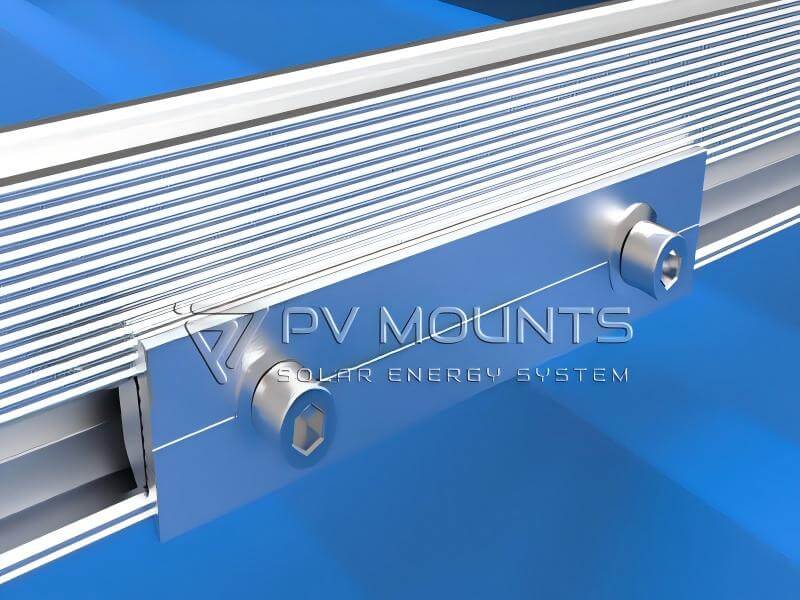
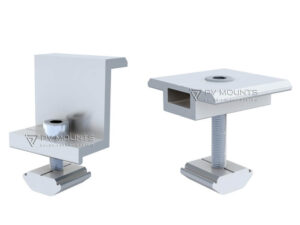
Roof hooks are a structural interface component and must work together with the full PV mounting system, including:
- Aluminum mounting rails
- Mid clamps and end clamps
- Grounding clips (electrical bonding continuity)
- Cable management systems
System-level compatibility is essential to ensure mechanical stability and electrical safety.
8. Common EPC Roof Hook Selection Mistakes
- Selecting roof hooks only based on roof type
- Ignoring wind and snow load calculations
- Using incompatible rail profiles
- Choosing incorrect stainless steel grades
- Lack of engineering verification before procurement
9. Engineering Support From PV MOUNTS
PV MOUNTS supports global EPC contractors as a professional PV mounting hook manufacturer, providing engineering-based roof hook selection and customized solutions for complex projects.
We also support buyers searching for a reliable solar roof hook supplier China for large-scale EPC procurement projects, offering:
- Engineering drawing-based evaluation
- OEM/ODM customization
- Project-specific mounting solutions
- Technical support for EPC procurement
If you are an EPC contractor, distributor, or solar project developer looking for reliable solar roof hook solutions, PV MOUNTS can support your project with engineering-based design and manufacturing capability. Contact our engineering team to get technical support and quotation for your solar rooftop project.
10.FAQ
Structural load, rail compatibility, and environmental conditions determine selection.
Because structural and environmental factors have greater impact than roof classification.
It directly impacts load transfer and system stability.
No. Different regions require different engineering specifications.
Structural load capacity and system compatibility.
It determines whether SUS304, SUS316, or SUS430 should be used.
Cost efficiency, customization capability, and integrated manufacturing support.
Yes, based on EPC project drawings and engineering requirements.
Yes, incorrect selection can reduce structural stability and durability.
Yes, it ensures system safety and reduces installation risks.
This framework serves as a system-level decision model for EPC procurement rather than a product selection guide.
11. Conclusion
Solar roof hook selection in EPC projects must always follow an engineering-based decision framework rather than relying on product type or roof category alone.
The correct selection process requires evaluation of structural load conditions, rail system compatibility, environmental corrosion resistance, and installation constraints to ensure long-term system stability.
By applying a systematic engineering approach, EPC contractors can reduce installation risks, improve procurement efficiency, and ensure reliable performance of the entire PV mounting system.
PV MOUNTS supports global EPC customers as a professional PV mounting hook manufacturer и solar roof hook supplier China, providing engineering-based selection support and customized mounting solutions for different project requirements.

 Russian
  English
  Spanish
  Portuguese
  Hungarian
  Arabic
  Romanian
  French