
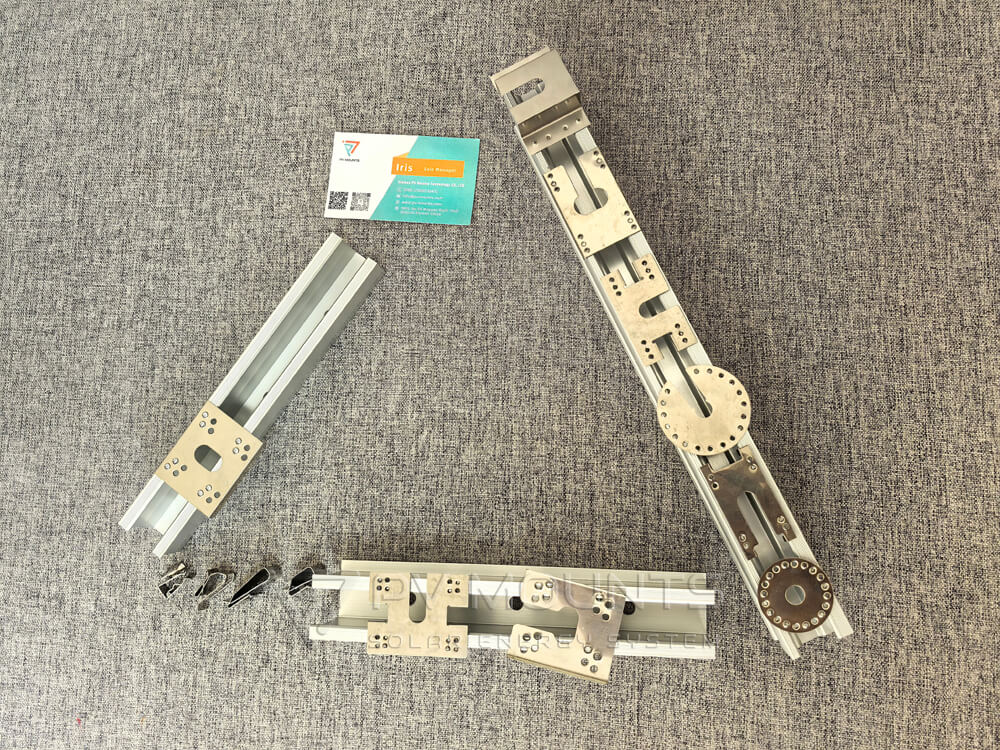
Grounding clips are small components within a solar mounting system, but they play an essential role in creating electrical continuity between solar modules and mounting structures.
Many buyers focus on material, appearance, or price when sourcing grounding clips. However, experienced EPC contractors and solar mounting hardware manufacturers know that the most important factor is rail compatibility.
In most cases, selecting the correct solar grounding clip starts with one key piece of information: the rail cross section.
This guide explains why rail cross section matters, how grounding clips work, and what information should be provided to ensure proper compatibility.
1.What Is a Solar Grounding Clip?
A solar grounding clip, also known as a bonding clip or earthing clip, is designed to establish electrical continuity between solar module frames and mounting rails.
Most solar mounting systems use anodized aluminum rails and module frames. While anodizing improves corrosion resistance, it also creates a non-conductive surface layer.
When installed correctly, the grounding clip penetrates the anodized layer and creates a conductive path throughout the PV mounting structure.
This allows metallic components within the solar array to remain electrically bonded together.
By creating a reliable electrical bonding path between module frames and mounting rails, grounding clips help maintain electrical continuity throughout the PV array and support the overall grounding system.
2.Why Are Grounding Clips Important?
Proper grounding is an important part of solar system safety and reliability.
A properly installed grounding clip helps establish bonding continuity between solar modules and mounting structures, ensuring that electrical current can flow safely through the designated grounding path when required.
Grounding clips help:
- Create electrical continuity between components
- Improve grounding performance
- Support system safety
- Assist with code compliance
- Reduce installation risks caused by poor bonding connections
Although grounding clips represent a small portion of total project cost, they are critical components within the overall grounding system.
3.How Do Solar Grounding Clips Work?
Most solar mounting rails and module frames are manufactured from anodized aluminum.
While anodizing improves corrosion resistance, it also creates an insulating surface layer that can prevent reliable electrical continuity.
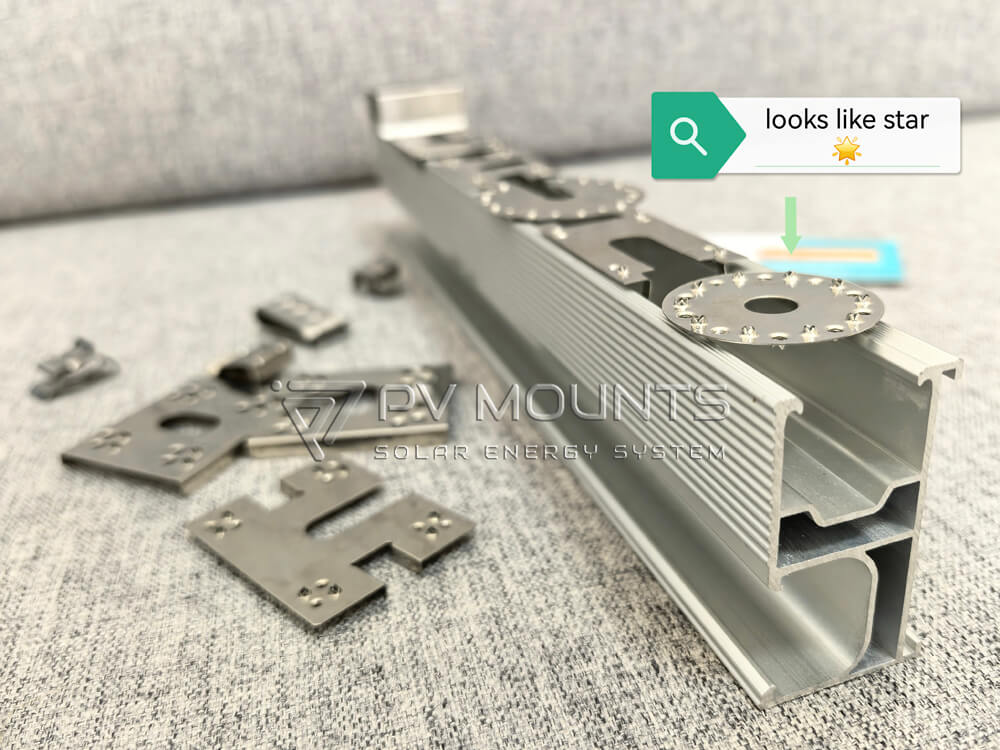
For this reason, solar grounding clips are designed with sharp stainless steel teeth that penetrate the anodized coating when the module clamp is tightened.
This creates direct metal-to-metal contact between the module frame and mounting rail, ensuring a continuous grounding path throughout the PV array.
A properly designed grounding clip can help maintain grounding resistance below 0.1Ω, supporting long-term system safety and reliable electrical bonding performance.
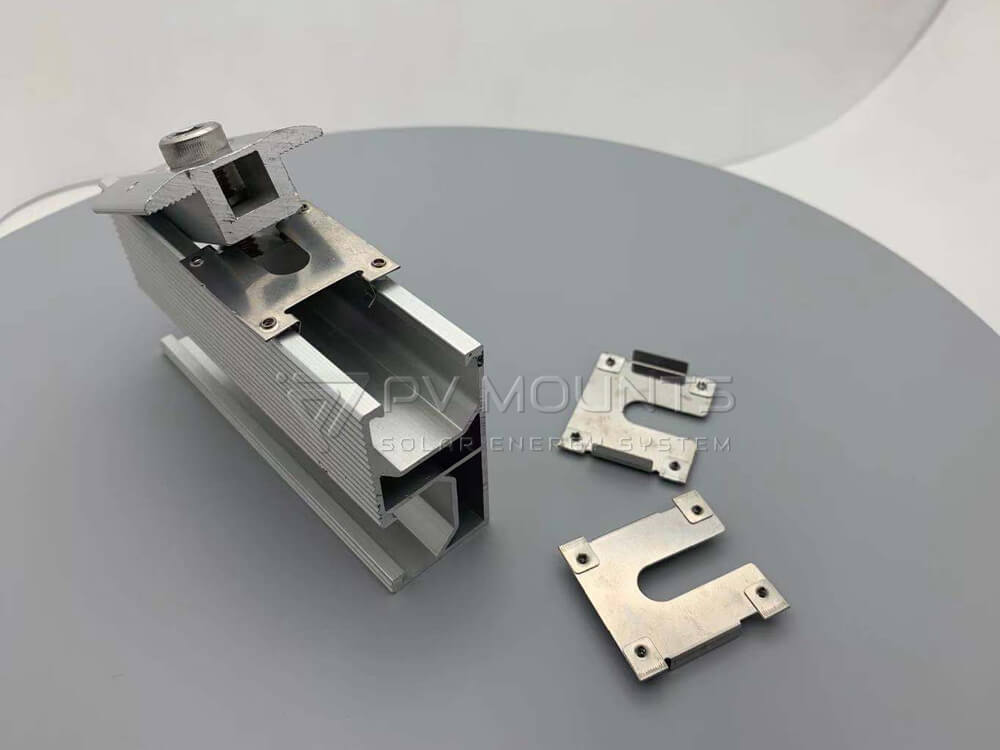
4.How Grounding Clips Penetrate Anodized Aluminum?
Most solar mounting rails are manufactured from anodized aluminum.
While anodized aluminum provides excellent corrosion resistance, the anodized layer itself is electrically insulating.
To create reliable electrical bonding, grounding clips use sharp stainless steel teeth that penetrate the anodized surface during installation.
This creates direct metal-to-metal contact between the rail and module frame, allowing electrical continuity to be maintained throughout the mounting structure.
5.Why Rail Cross Section Is the Most Important Factor
Unlike cable clips, roof hooks, or module clamps, solar grounding clip selection is primarily determined by rail compatibility.
Different solar mounting systems use different rail profiles.
Even rails that appear similar may have differences in:
- Rail width
- Rail height
- Rail slot geometry
- Structural profile design
These differences directly affect whether a grounding clip can fit correctly and perform as intended.
A grounding clip that works perfectly on one rail profile may not fit another rail profile at all.
For this reason, professional solar mounting hardware manufacturers typically recommend grounding clips based on rail cross section drawings rather than project type or roof type.
6.Why Material Selection Also Matters
In addition to rail compatibility, grounding clip material also affects long-term performance.
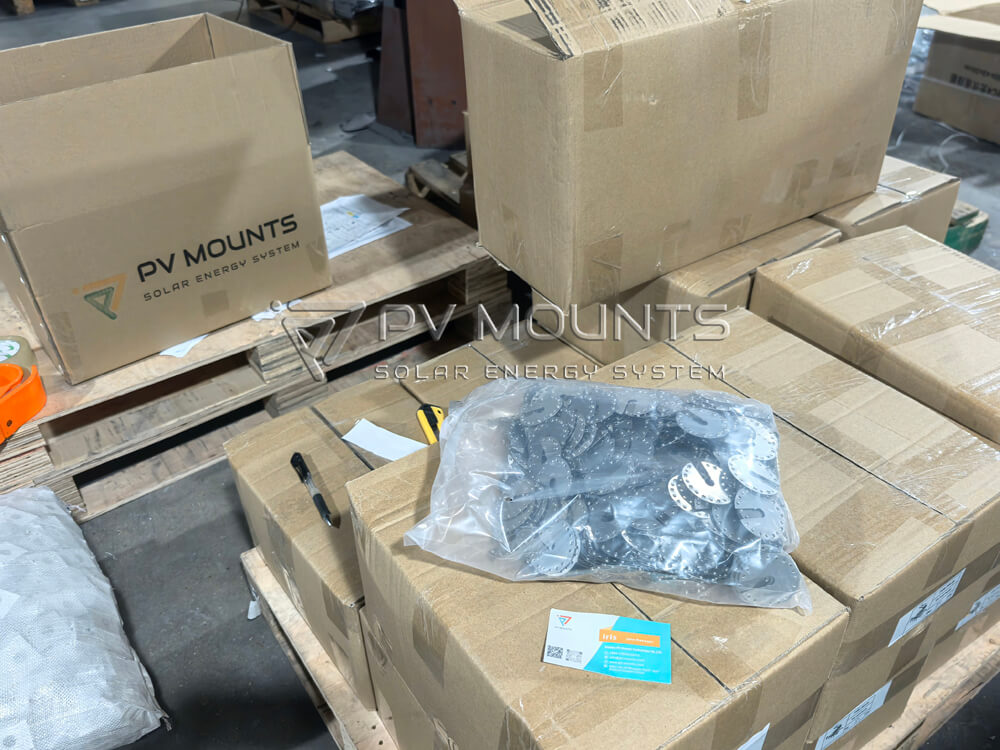
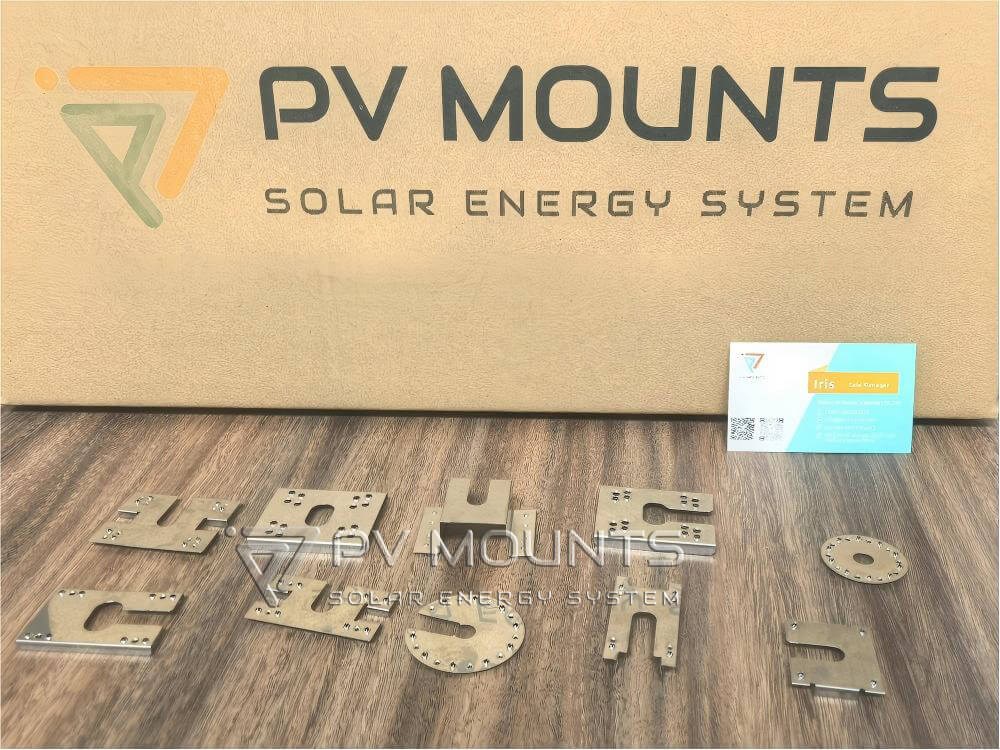
High-quality grounding clips are typically manufactured from spring stainless steel, which provides excellent elastic memory and long-term clamping force.
This helps maintain consistent contact pressure between connected components even after years of thermal expansion, vibration, and outdoor exposure.
Maintaining stable contact pressure is critical for preserving reliable metal-to-metal contact and long-term electrical bonding performance.
7.Why Spring Stainless Steel Matters
In addition to rail compatibility, material selection is critical for long-term grounding performance.
High-quality grounding clips are typically manufactured from spring stainless steel.
The material provides excellent elastic memory, allowing the grounding clip to maintain continuous pressure against the rail and module frame throughout the service life of the solar system.
In rooftop environments exposed to wind vibration, thermal expansion, and temperature changes, spring stainless steel helps prevent loosening and maintains reliable electrical bonding for decades.
For long-term outdoor applications, this characteristic is often just as important as the grounding clip design itself.
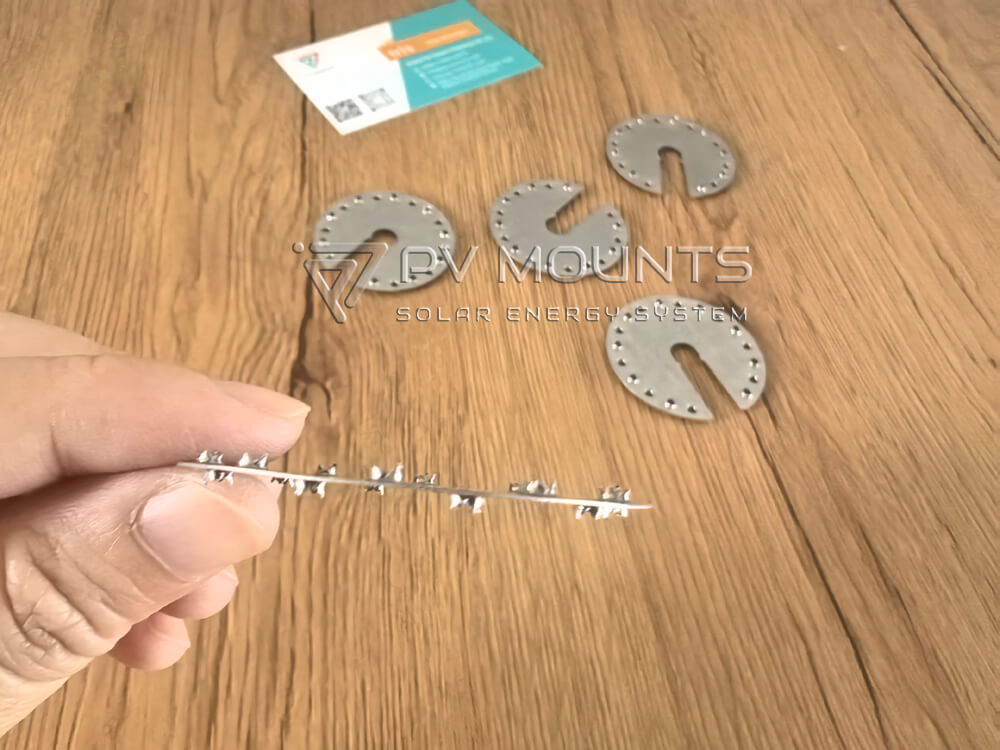
8.How Rail Compatibility Affects Grounding Clip Performance
The grounding clip must fit securely within the rail assembly while maintaining reliable electrical contact.
If the grounding clip is incompatible with the rail profile, it may lead to:
- Difficult installation
- Improper engagement
- Reduced electrical bonding performance
- Additional installation time
- Procurement delays
Verifying compatibility before ordering helps avoid these issues and improves project efficiency.
When properly matched to the rail profile and installed correctly, grounding clips help establish reliable electrical continuity with grounding resistance typically maintained below 0.1Ω as part of the overall bonding system.
9.What Information Should Be Provided for Grounding Clip Selection?
To recommend a suitable grounding clip, manufacturers typically require the following information.
*Rail Cross Section Drawing
The rail cross section is the most important information for compatibility evaluation.
In many cases, the rail drawing alone is sufficient for manufacturers to recommend a suitable grounding clip.
*Rail Dimensions
If available, provide:
- Rail width
- Rail height
These dimensions help verify compatibility.
*Rail Profile Photo
A profile photo can assist when technical drawings are unavailable.
*Required Quantity
Estimated quantities help determine whether a standard solution or customized solution is more suitable.
If you are unsure which grounding clip matches your rail system, simply send the rail cross section drawing or rail profile photo.
As a professional solar mounting hardwares & accessories manufactuer in China, PV MOUNTS’s engineering team can evaluate compatibility and recommend a suitable standard grounding clip or customized solution.
| Information Available | Recommendation |
|---|---|
| Rail Cross Section Drawing | Compatibility Verification |
| Rail Width & Height | Grounding Clip Selection |
| Standard Rail Profile | Standard Grounding Clip |
| Customized Rail Profile | Customized Grounding Clip |
| New Mounting System Development | Engineering Evaluation |
10.Standard Grounding Clips vs Customized Grounding Clips
Many solar mounting systems use standard rail profiles that can work with standard grounding clips.
However, customized rail systems are becoming increasingly common in rooftop solar, ground-mounted systems, solar carports, and proprietary mounting structures.
In these situations, standard grounding clips may not provide an ideal fit.
Customized grounding clips can be developed according to the rail cross section to ensure:
- Proper installation
- Reliable electrical bonding
- Consistent product performance
- Easier on-site assembly
For projects using unique rail profiles, customization is often the most practical solution.Why EPC Contractors Verify Rail Drawings Before Procurement
Experienced EPC contractors understand that grounding clip compatibility cannot be determined by appearance alone.
Before procurement, they typically verify:
- Rail cross section
- Rail dimensions
- Existing mounting structure design
This process helps reduce procurement risks and avoids receiving incompatible grounding hardware.
Providing rail drawings early in the procurement process also allows manufacturers to recommend suitable standard products or propose customized solutions when necessary.
11.What Happens If the Grounding Clip Cannot Penetrate the Anodized Layer?
If the grounding clip cannot properly penetrate the anodized aluminum surface, electrical continuity may be compromised.
Potential risks include:
- Increased grounding resistance
- Unstable bonding performance
- Difficult compliance verification
- Additional troubleshooting during commissioning
For this reason, grounding clip design should be evaluated not only for rail compatibility but also for its ability to establish reliable metal-to-metal contact.
12.Common Mistakes When Selecting Solar Grounding Clips
*Selecting Grounding Clips Without Rail Information
Grounding clips should never be selected solely based on product photos.
Rail compatibility should always be verified first.
*Assuming One Grounding Clip Fits Every Rail
Different rail systems require different grounding clip designs.
There is no universal grounding clip suitable for all rail profiles.
*Ignoring Compatibility Verification
Failing to verify rail dimensions before procurement can result in installation issues and project delays.
*Focusing Only on Price
Compatibility and reliability are more important than minor price differences when selecting grounding hardware.
13.Can Solar Grounding Clips Be Customized?
Yes.
Many solar mounting hardware manufacturers provide customized grounding clips based on rail cross section drawings.
Customization options may include:
- Different rail profiles
- Special dimensions
- Material requirements
- Project-specific installation requirements
Providing the rail drawing allows engineers to evaluate compatibility and develop a suitable solution.
Need Help Selecting a Compatible Grounding Clip?
If you are unsure which grounding clip matches your rail profile, simply send the rail cross section drawing to our engineering team.
We can verify compatibility, recommend a suitable standard grounding clip, or develop a customized solution based on your mounting system.
12.Conclusion
Selecting the correct solar grounding clip is primarily a rail compatibility issue rather than a roof type or project type issue.
The most important information for grounding clip selection is the rail cross section drawing.
By providing rail profile information during the procurement process, EPC contractors, installers, and distributors can quickly identify suitable standard grounding clips or develop customized solutions when necessary.
Proper compatibility verification helps improve installation efficiency, reduce procurement risks, and ensure reliable grounding performance throughout the solar system’s service life.
13.FAQ
A solar grounding clip is a bonding component used to create electrical continuity between solar module frames and mounting rails.
Rail cross section determines grounding clip compatibility. Different rail profiles require different grounding clip designs.
No. Grounding clips are generally designed around specific rail profiles and dimensions.
The most important information is the rail cross section drawing. Rail dimensions and profile photos can also help verify compatibility.
Yes. Customized grounding clips can be developed according to rail cross section drawings and project requirements.
Poor compatibility may lead to installation difficulties, reduced bonding performance, and project delays.
Yes. Grounding clips are used wherever electrical bonding between modules and mounting structures is required.
Manufacturers typically evaluate the rail cross section drawing and verify compatibility before recommending a standard or customized solution.
It is recommended to provide:
Rail cross section drawing
Rail dimensions (if available)
Rail profile photo
Required quantity
This information allows manufacturers to recommend the most suitable grounding clip solution.
The sharp stainless steel teeth are designed to penetrate the anodized aluminum surface and establish reliable metal-to-metal electrical contact.
A properly installed grounding clip should help maintain grounding continuity with a grounding resistance typically below 0.1Ω, depending on the overall system design and testing conditions.
The sharp teeth are designed to penetrate the anodized aluminum surface and establish reliable metal-to-metal contact between connected components.
Spring stainless steel provides excellent elastic memory and helps maintain long-term contact pressure, ensuring reliable electrical bonding performance throughout the service life of the solar system.
When properly installed, grounding clips contribute to a grounding system that typically maintains grounding resistance below 0.1Ω, depending on system design and testing conditions.

 Arabic
  English
  Spanish
  Portuguese
  Russian
  Hungarian
  Romanian
  French