

Keywords: solar roof hooks, tile roof hooks, metal roof hooks, CE certified solar hooks, standing seam hooks, stainless steel roof hooks, solar roof hook installation, roof hook wind load calculation
Target Audience: Solar installers, EPC contractors, distributors, PV mounting professionals
Introducere
As rooftop solar installations continue to grow across Europe, selecting the correct mounting components has become critical for installers and EPC companies.
One of the most essential components in many rooftop solar installations is the solar roof hook.
Solar roof hooks are widely used in mounting systems for tile roofs and metal roofs, providing a secure structural connection between the building roof and the solar mounting rails.
Without properly designed roof hooks, solar panels may face structural risks caused by wind uplift, snow loads, or long-term environmental exposure.
This guide explains:
- What solar roof hooks are
- Different types of roof hooks
- Materials used in solar mounting
- Installation considerations
- How to choose a reliable manufacturer
This information is especially useful for solar installers, EPC contractors, and solar distributors in Europe.
What Are Solar Roof Hooks?
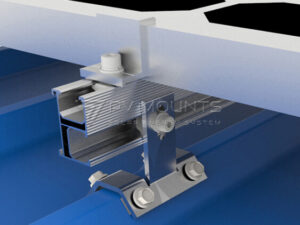
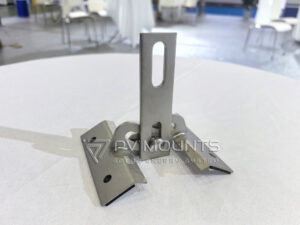
Solar roof hooks are metal brackets used to connect solar mounting rails to the roof structure.
They are typically fixed to roof rafters or structural beams and extend above the roof surface to support aluminum mounting rails.
The solar panels are then installed on the rails using mid clamps and end clamps.
Solar roof hooks serve several key purposes:
• Provide structural support for solar modules
• Maintain proper spacing between panels and roof surface
• Allow ventilation beneath solar panels
• Protect roof waterproofing
• Ensure safe load transfer to the building structure
These hooks are widely used in residential, commercial, and agricultural solar installations.
Types of Solar Roof Hooks
Different roof types require different mounting solutions.
Tile Roof Hooks
Tile roof hooks are designed for roofs covered with tiles such as:
- Clay tiles
- Concrete tiles
- Spanish tiles
- Flat tiles
During installation, a tile is temporarily removed and the hook is fixed to the wooden rafter beneath the roof.
After installation, the tile is placed back in position while the hook passes through the tile gap.
Advantages of tile roof hooks include:
- No drilling through roof tiles
- Maintains roof waterproofing
- Strong connection to roof structure
- Easy integration with mounting rails
Tile roof hooks are one of the most common solar mounting solutions in European residential solar systems.
Tin Roof Hooks (Metal Roof Hooks)
Tin roof hooks are designed for metal roof structures.
Common metal roof types include:
- Trapezoidal metal roofs
- Corrugated metal roofs
- Sheet metal roofs
These hooks are attached to roof beams or purlins and provide mounting points for solar rails.
In many installations, adjustable metal roof hooks are used to compensate for different roof heights or structural irregularities.
Metal roof hooks are frequently used in:
- Industrial buildings
- Agricultural buildings
- Warehouses
- Commercial solar projects
Stainless Steel vs Aluminum Solar Roof Hooks
Material selection directly affects the durability and safety of solar mounting systems.
Stainless Steel Roof Hooks
Most professional solar roof hooks are manufactured using SUS304 oțel inoxidabil.
Benefits include:
- Excellent corrosion resistance
- High structural strength
- Long service life
- Suitable for coastal environments
Stainless steel roof hooks are commonly used in Europe because they can withstand harsh weather conditions and long-term outdoor exposure.
Aluminum Roof Hooks
Some roof hooks are made from aluminum to reduce weight.
Advantages include:
- Lightweight structure
- Easier transportation and handling
However, aluminum hooks generally provide lower mechanical strength compared with stainless steel.
For high load applications, many installers prefer stainless steel roof hooks.
In a word, Choosing the right material is critical for long-term performance, especially in coastal or high-humidity regions.
| Material | Rezistența la coroziune | Recommended Use | Typical Lifespan |
|---|---|---|---|
| 304 Oțel inoxidabil | Medium | Residential & urban roofs | 15–20 years |
| 316 Stainless Steel | High (marine grade) | Coastal & high-corrosion areas | 25+ years |
| Aluminiu | Medium-low | Lightweight, low-cost applications | 10–15 years |
Tip: For European projects, 316 stainless steel is recommended due to its resistance to salt corrosion and compliance with CE standards.
Adjustable vs Fixed Solar Roof Hooks
Solar roof hooks can be categorized into two main types.
Fixed Roof Hooks
Fixed hooks have a standard shape and height.
Advantages:
- Strong and simple design
- Lower manufacturing cost
- Quick installation
These hooks are suitable for roofs with consistent structure.
Adjustable Roof Hooks
Adjustable hooks allow installers to change height or position during installation.
Benefits include:
- Adaptation to uneven roofs
- Compatibility with different tile thicknesses
- Easier rail alignment
Adjustable hooks are especially useful in complex rooftop solar installations.
Wind and Snow Load Considerations
Solar mounting systems installed in Europe must withstand environmental forces such as:
- Wind uplift forces
- Snow loads
- Structural stress from solar modules
Roof hooks must be designed to safely transfer these loads to the building structure.
Professional solar mounting systems are typically designed according to European structural standards and engineering calculations.
This ensures the solar system remains stable under long-term environmental exposure.
Importance of CE Certification
For solar projects in Europe, certification is essential.
CE certification indicates that the product complies with European safety and quality regulations.
A reliable solar mounting supplier should provide:
- Valid CE certificate
- Certification body information
- Certificate number verification
- Product scope description
Some modern CE certificates include QR codes or online verification systems so customers can confirm authenticity directly on the certification body’s website.
This helps prevent the use of fake certificates in the solar industry.
How to Choose a Reliable Solar Roof Hook Manufacturer
When selecting a solar mounting supplier, installers should consider several factors.
Calitatea materialului
High-quality manufacturers use stainless steel and precision manufacturing processes.
Engineering Capability
Professional suppliers can provide structural calculations and system compatibility support.
Certification and Compliance
Reliable manufacturers provide authentic certification documents for European markets.
Stable Supply and Fast Delivery
For solar projects, fast delivery of mounting accessories can help avoid installation delays.
Customization Capability
Some solar installations require customized roof hooks depending on roof type or project design.
Working with an experienced manufacturer helps ensure smooth installation and long-term system reliability.
Concluzie
Solar roof hooks are essential components in rooftop solar mounting systems. They ensure that solar panels are securely connected to the roof structure while maintaining waterproofing and structural stability.
Whether installing solar panels on tile roofs or metal roofs, selecting the correct roof hook type, material, and certified manufacturer is critical for long-term system performance.
For installers and EPC companies, working with a reliable solar mounting supplier helps ensure safe, efficient, and compliant solar installations.
Choosing the right solar roof hook ensures your PV system is safe, durable, and compliant with international standards. Always prioritize certified stainless steel hooks, follow proper installation procedures, and verify certificates for peace of mind.
Get Your Certified Roof Hooks Today! Contact Us for Product Catalogs & Pricing.
Frequently Asked Questions (FAQ)
Q1: Can roof hooks void roof warranty?
- Only if improper installation occurs. Always follow manufacturer instructions.
Q2: Best roof hook materials for coastal climates?
- 316 stainless steel is recommended.
Q3: How to calculate wind uplift load?
- Refer to regional wind codes and use panel area × pressure formula.
Q4: Are roof hooks CE certified?
- Request official certificates and scan QR codes for verification.
Q5: What roof types require hooks vs clamps?
- Tile roofs require bolt-on hooks; metal roofs can use clamps or hooks.
Q6: What is a solar roof hook used for?
- A solar roof hook is used to connect solar mounting rails to roof structures, providing a stable base for solar panels.
Q7: Are solar roof hooks suitable for tile roofs?
- Yes. Tile roof hooks are specifically designed for clay, concrete, and flat tile roofs and allow solar panels to be installed without damaging roof tiles.
Q8: Are solar roof hooks suitable for tile roofs?
- Stainless steel, especially SUS304, is widely used because it provides excellent corrosion resistance and structural strength.
Q9: Are solar roof hooks required for metal roofs?
- For many metal roof installations, roof hooks or specialized mounting brackets are used to securely attach solar rails to the roof structure.
Q10: How do I verify CE certification for solar mounting systems?
- You should check the certificate number, certification body, validity period, and whether the certificate can be verified online or via QR code.



 Romanian
  English
  Spanish
  Portuguese
  Russian
  Hungarian
  Arabic
  French