
1.Key Takeaways
- A solar mounting BOM is more than a material list—it is a project planning and procurement tool.
- Roof type determines the attachment method and hardware configuration.
- Grounding, cable management, drainage, and fastening components are frequently overlooked during procurement.
- Accurate BOM planning helps EPC contractors reduce installation delays and procurement risks.
- Working with an experienced solar mounting hardware manufacturer can improve component compatibility and project efficiency.
- A complete rooftop solar mounting BOM should integrate engineering, procurement, logistics, and installation requirements.
2.Why BOM Planning Matters in Rooftop Solar Projects
For many rooftop solar projects, procurement challenges do not come from solar modules or inverters.
Instead, delays often occur because critical mounting components are missing, incompatible, or ordered in incorrect quantities.
A well-prepared Bill of Materials (BOM) serves as the foundation of efficient project execution. It helps EPC contractors coordinate engineering, procurement, logistics, installation, and quality control before construction begins.
Whether the project is a residential rooftop system or a multi-megawatt commercial installation, a complete rooftop solar mounting BOM reduces uncertainty and improves project delivery.
3.How to Proceed a Rooftop Solar Mounting BOM
Creating a rooftop solar mounting BOM is not simply listing products. A well-prepared BOM connects engineering design, procurement planning, logistics coordination, installation execution, and project cost control.
For EPC contractors, a complete BOM helps reduce procurement risks, prevent installation delays, and improve overall project efficiency.
The following process can help EPC teams build a complete rooftop solar mounting BOM for residential, commercial, and industrial PV projects.
Step 1: Verify Roof Type Before Creating the BOM
Before selecting any solar mounting hardware, EPC contractors must first identify the roof structure.
Different roof types require different attachment methods and mounting solutions.
Common rooftop types include:
*Tile Roof
Typically used in residential solar projects and requires roof hooks installed beneath roof tiles.
Typical BOM Components:
- Stainless steel roof hooks
- Aluminum rails
- Mid clamps
- End clamps
- Grounding clips
- Cable clips
*Trapezoidal Metal Roof
Common in commercial and industrial buildings. Depending on roof profile dimensions, trapezoidal roof hooks or L feet may be used.
Typical BOM Components:
- Trapezoidal roof hooks
- L feet
- Aluminum rails
- Mid clamps
- End clamps
- Fasteners
*Corrugated Metal Roof
Often suitable for L feet systems or mini rail systems, depending on project requirements.
Typical BOM Components:
- L feet/Mini rail systems
- Clamps
- Fasteners
*Standing Seam Roof
Uses non-penetrating standing seam clamps that attach directly to roof seams without drilling.
Selecting hardware before confirming roof type is one of the most common procurement mistakes in rooftop solar projects.
Typical BOM Components:
- Standing seam clamps
- Rails
- Module clamps
Selecting hardware before confirming roof type is one of the most common procurement mistakes in rooftop solar projects.
Step 2: Review Structural and Environmental Requirements
Once the roof type is confirmed, project engineers should evaluate structural and environmental conditions.
Key factors include:
- Wind Load
- Snow Load
- Building Height
- Corrosion Exposure
- Roof Sheet Thickness
- Purlin Spacing
- Local Building Codes
These factors directly influence hardware selection, attachment spacing, rail design, and fastening requirements.
For example, coastal projects often require stainless steel solar mounting accessories with enhanced corrosion resistance, while high-wind regions may require reinforced roof attachments and additional fastening points.
Step 3: Build the Core Mounting Structure BOM
The primary mounting structure forms the backbone of the rooftop solar system.
A complete BOM should include the following categories.
Roof Attachment Components
Roof attachment components connect the solar mounting system to the building structure.
Typical components include:
- Tile Roof Hooks
- Adjustable Roof Hooks
- Trapezoidal Roof Hooks
- L Feet
- Standing Seam Clamps
Selecting the correct attachment solution is critical because it directly affects structural performance, waterproofing reliability, and long-term system safety.
The attachment method should be selected according to roof type, structural design, wind load requirements, and installation conditions.
Structural Components
Structural components transfer loads from the PV modules into the building structure.Key considerations:Wind load requirements、Span length and Material grade.
Typical components include:
- Aluminum Rails
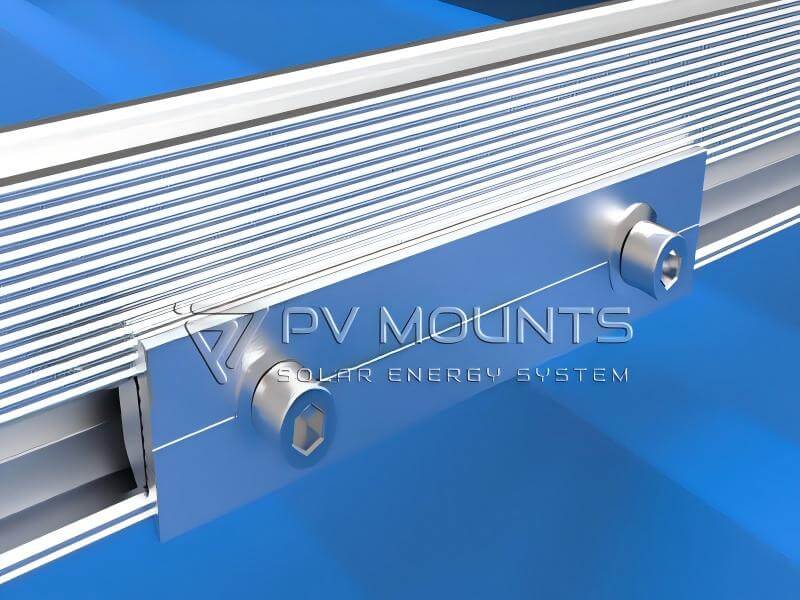
- Rail Splices
- Rail Connectors
- Structural Reinforcement Components
When selecting structural components, EPC contractors should evaluate:
- Span Length
- Wind Load Requirements
- Snow Load Requirements
- Material Grade
- Corrosion Resistance
Proper rail selection improves installation efficiency while ensuring compliance with engineering standards.
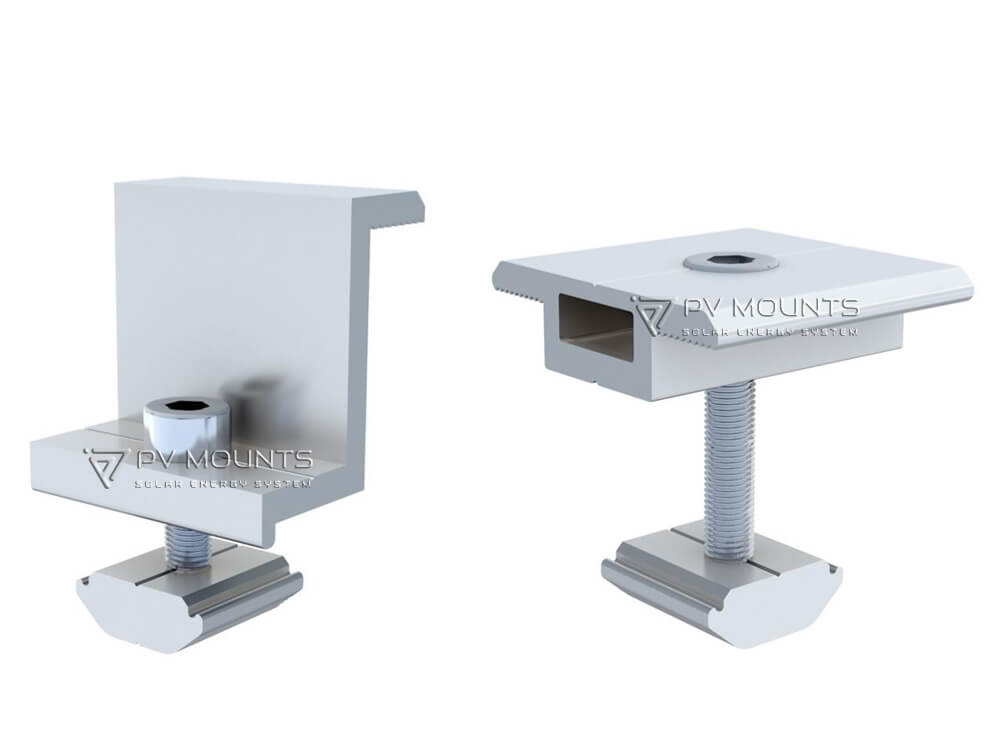
Module Fixation Components
These components secure PV modules to the rail system.
Typical components include:
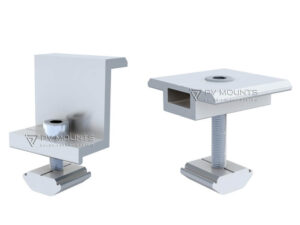
- Mid Clamps Kits
- End Clamps Kits
Module dimensions, frame thickness, and array layout all influence clamp selection and quantity calculations.
Choosing compatible fixation components helps prevent installation issues and reduces long-term maintenance risks.
Step 4: Include Electrical Bonding and Grounding Components
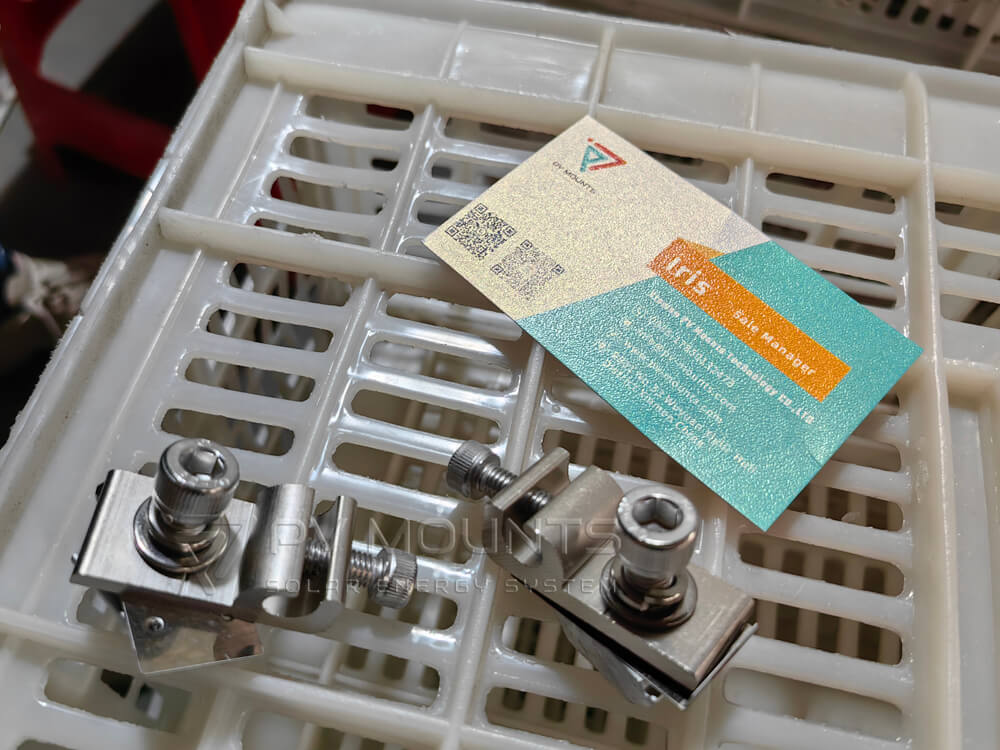
Grounding components are frequently underestimated during procurement planning.
A complete rooftop solar mounting BOM should include:
- Grounding Clips
- Bonding Washers
- Earthing Accessories
Although relatively small and inexpensive, these components play an important role in electrical performance, regulatory compliance, and system safety.
Many experienced EPC contractors include grounding hardware in the early stages of rooftop solar hardware procurement to avoid delays during installation.
Step 5: Include Cable Management and Drainage Components
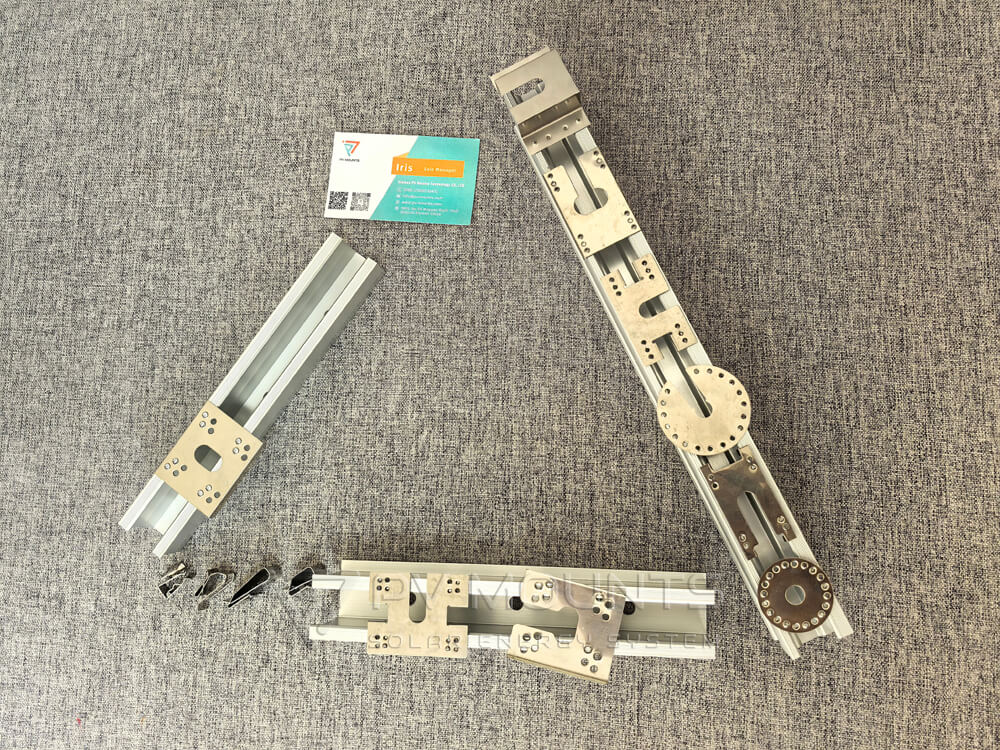
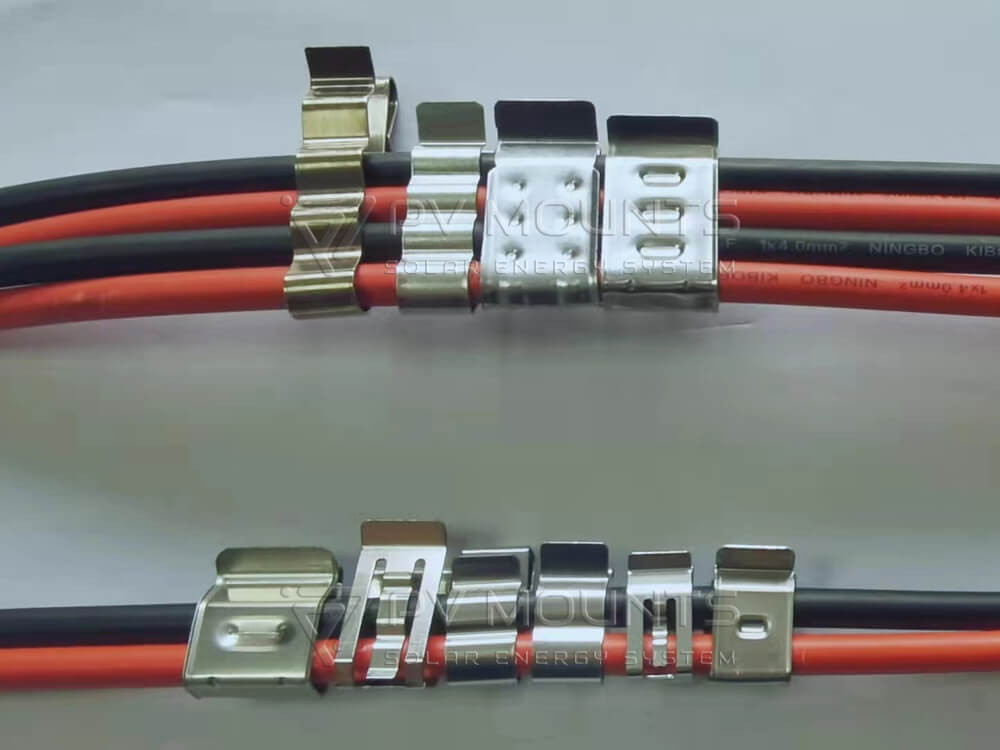
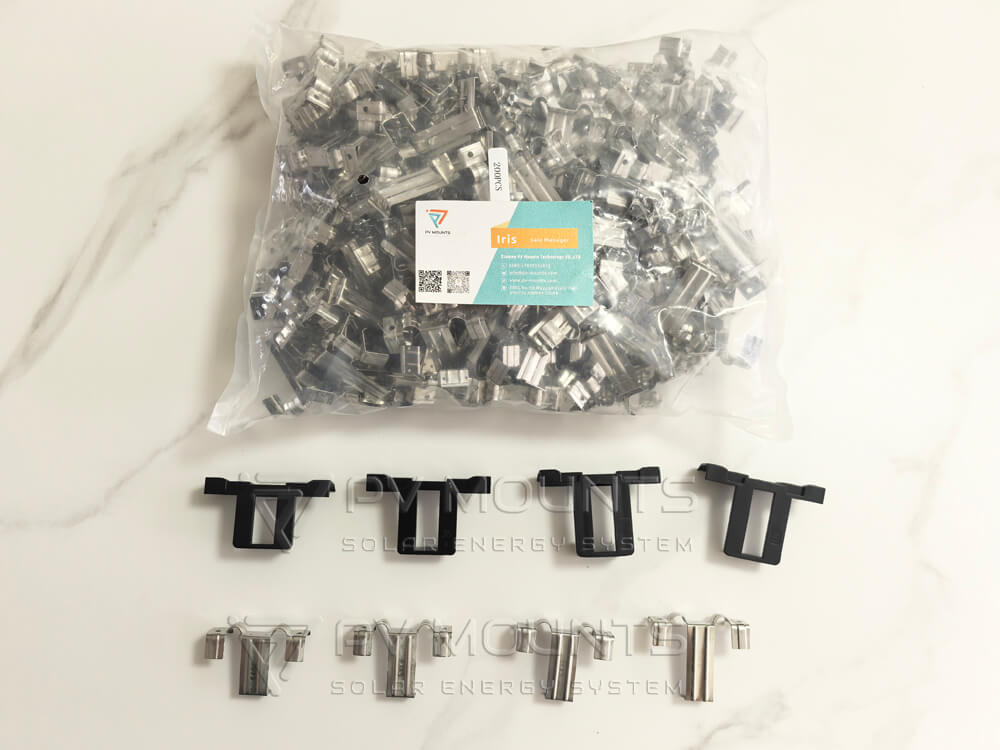
Cable management and drainage accessories are often overlooked during procurement planning, yet they can significantly impact installation quality and long-term system performance.
Typical components include:
- Cable Clips
- Wire Holders
- Cable Organizers
- Water Drainage Clips
Proper cable management helps protect PV cables from UV exposure, sharp edges, water accumulation, and mechanical damage.
Water drainage clips help improve water flow beneath solar modules, reducing dirt accumulation and minimizing potential hotspot risks.
For this reason, many EPC contractors now include these stainless steel solar mounting accessories as standard items within their rooftop solar mounting BOM.
Step 6: Verify Fasteners and Small Hardware
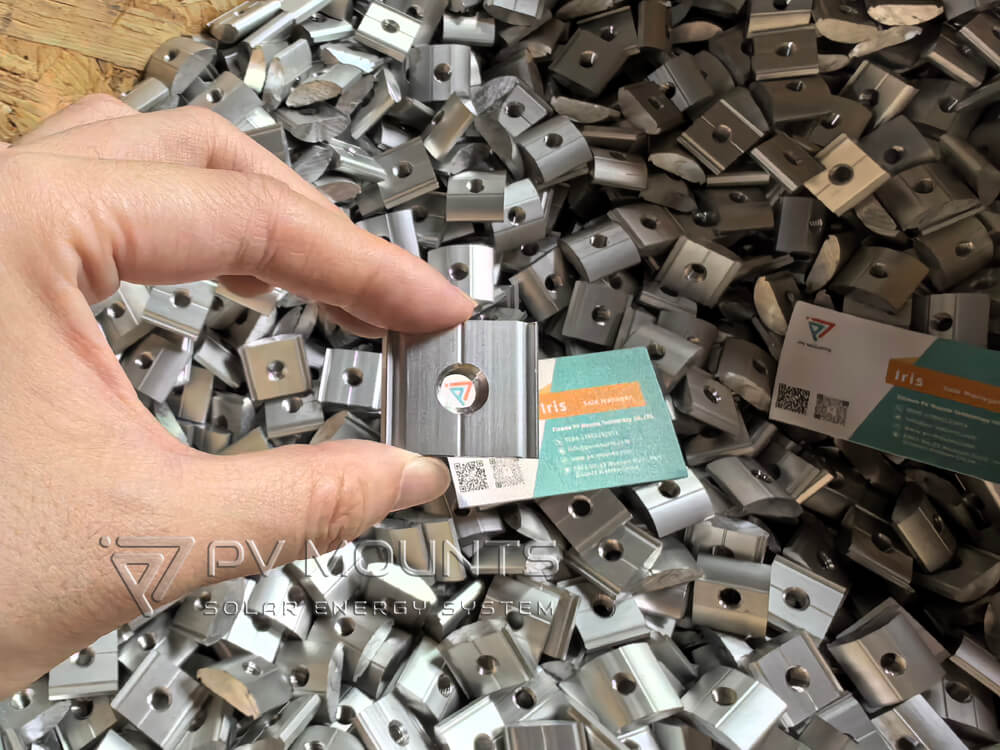
One of the most common causes of installation delays is not the absence of major structural components, but the shortage of small hardware items.
A complete rooftop solar mounting BOM should include:
- Bolts
- Nuts
- Washers
- Spring Washers
- Self-Tapping Screws
- Rail Connection Hardware
- Clamp Fasteners
Although these items represent only a small percentage of total project cost, they are critical to installation progress.
Many experienced EPC contractors include spare quantities to reduce the risk of on-site shortages.
When sourcing from a professional solar mounting hardware manufacturer, pre-assembled kits can simplify procurement and minimize the risk of missing components.
Expert Tips for EPC Procurement Teams
Expert Tip #1
Never create a BOM before reviewing roof drawings and roof profile dimensions.
Expert Tip #2
Always verify module frame thickness before selecting mid clamps and end clamps.
Expert Tip #3
Grounding clips, cable clips, and water drainage clips are among the most frequently forgotten accessories during rooftop solar hardware procurement.
Expert Tip #4
For coastal projects, prioritize corrosion-resistant stainless steel solar mounting accessories to improve long-term durability.
Expert Tip #5
When possible, source related components from a single solar mounting hardware supplier to improve compatibility and simplify logistics management.
4.Why a Solar Mounting BOM Is More Than a Material List
Many new EPC teams view a Bill of Materials (BOM) simply as a list of products required for a solar project.
In reality, a rooftop solar mounting BOM is a project management tool that connects engineering design, procurement planning, logistics coordination, installation execution, and quality control.
A well-structured BOM helps EPC contractors:
- Prevent missing components during installation
- Reduce procurement mistakes
- Improve supplier coordination
- Simplify inventory planning
- Accelerate project delivery schedules
- Improve overall project profitability
For commercial and industrial rooftop solar projects, BOM accuracy often has a direct impact on installation efficiency and project success.
5.How EPC Procurement Teams Verify a Solar Mounting BOM Before Ordering
Before issuing purchase orders, experienced EPC contractors typically verify the following:
Roof Drawings
Confirm roof profile dimensions and attachment compatibility.
Module Specifications
Verify module dimensions, frame thickness, and mounting requirements.
Wind and Snow Loads
Ensure hardware selection meets project-specific structural requirements.
Material Requirements
Determine whether aluminum, SUS304 stainless steel, or SUS430 stainless steel is appropriate.
Quantity Verification
Review hardware quantities to prevent shortages during installation.
Lead Time Verification
Confirm production schedules and delivery timelines before procurement approval.
6.Example BOM for a 1MW Commercial Metal Roof Project
| Category | Typical Components |
|---|---|
| Roof Attachment | Trapezoidal Roof Hooks / L Feet |
| Structural Components | Aluminum Rails |
| Module Fixation | Mid Clamps / End Clamps |
| Grounding | Grounding Clips |
| Cable Management | Cable Clips |
| Drainage | Water Drainage Clips |
| Fastening | Bolts, Nuts, Washers |
Actual quantities should always be determined according to project-specific engineering calculations, local building codes, and structural requirements.
7.Why EPC Contractors Prefer Working With a Solar Mounting Hardware Manufacturer
Managing multiple suppliers for mounting hardware can increase procurement complexity and create compatibility challenges.
Many EPC contractors prefer working directly with a solar mounting hardware manufacturer because it can provide:
- Better component compatibility
- Faster engineering communication
- Simplified procurement management
- Improved quality control
- Easier customization support
- Better inventory visibility
- More efficient logistics coordination
This approach is particularly beneficial for large rooftop solar projects with complex procurement requirements.
8.Solar Mounting BOM Verification Checklist
Before placing an order, verify that the following items have been completed:
□ Roof type confirmed
□ Roof profile drawing available
□ Module dimensions verified
□ Wind load confirmed
□ Snow load confirmed
□ Roof attachment selected
□ Rail system selected
□ Grounding accessories included
□ Cable management accessories included
□ Water drainage accessories included
□ Fastener quantities verified
□ Delivery schedule confirmed
9.Common Procurement Risks in Solar Mounting BOM Planning
Ordering Hardware Before Reviewing Roof Drawings
Selecting roof attachments without verifying the roof profile can lead to installation difficulties and project delays. EPC contractors should always confirm roof drawings, rib dimensions, and structural requirements before finalizing the BOM.
Missing Grounding Accessories
Grounding clips, bonding washers, and earthing accessories are often overlooked because of their small size and low cost. However, missing grounding components can delay installation and create compliance issues during system inspection.
Underestimating Fastener Quantities
Bolts, nuts, self-tapping screws, and clamp hardware are among the most frequently underestimated items in a mounting BOM. Even a small shortage can interrupt installation progress and increase labor costs on site.
Ignoring Lead Times for Customized Parts
Customized roof hooks, special clamps, or project-specific mounting components may require additional production time. EPC contractors should confirm lead times early to avoid procurement bottlenecks and project schedule risks.
Ignoring Lead Times for Customized Parts
Customized roof hooks, special clamps, or project-specific mounting components may require additional production time. EPC contractors should confirm lead times early to avoid procurement bottlenecks and project schedule risks.
Purchasing from Multiple Suppliers
Sourcing related mounting components from multiple suppliers can create compatibility issues and increase coordination complexity. Working with a reliable solar mounting hardware manufacturer can simplify procurement management and improve component consistency across the project.
10.Information EPC Contractors Should Prepare Before Requesting a Quotation
To receive accurate recommendations and quotations, the following information is typically required:
- Roof type
- Roof profile drawing
- Module dimensions
- Project capacity
- Wind load requirements
- Snow load requirements
- Installation country
- Preferred material
- Delivery schedule
Providing complete project information helps reduce engineering revisions and accelerates procurement planning.
Common Procurement Risks in Solar Mounting BOM Planning
11.Recommended Solar Mounting Hardware for EPC Projects
Roof Attachment Solutions
- Tile Roof Hooks
- Adjustable Roof Hooks
- Trapezoidal Roof Hooks
- L Feet
Structural Components
- Rails
- Mid Clamps
- End Clamps
Stainless Steel Solar Mounting Accessories (Grounding & Cable Management)
- Grounding Clips
- Cable Clips
- Water Drainage Clips
Custom Hardware Solutions
- Customized Roof Hooks
- Customized L Feet
- Customized Rails
- Customized Stainless Steel Solar Mounting Hardware
PV Mounts supplies complete rooftop solar mounting hardware for EPC projects, with stock available for many stainless steel accessories, no MOQ requirements, and customization support for special roof structures.
11.Conclusion
Building a complete rooftop solar mounting BOM involves much more than selecting roof hooks and rails.
Successful EPC contractors evaluate roof conditions, structural requirements, environmental exposure, grounding needs, cable management, drainage solutions, and fastening systems before procurement begins.
By developing a comprehensive BOM early in the project lifecycle and working with experienced solar mounting hardware suppliers and manufacturers, project teams can reduce procurement risks, improve installation efficiency, and achieve more predictable project outcomes.
12.FAQ
A solar mounting BOM (Bill of Materials) is a complete list of mounting system components required for a rooftop solar project, including structural, grounding, fastening, cable management, and drainage hardware.
A well-prepared BOM helps EPC contractors improve procurement accuracy, reduce installation delays, and manage project costs more effectively.
A BOM defines all required components from an engineering perspective, while a procurement list focuses on purchasing and supplier management activities.
Different roof types require different attachment solutions, such as roof hooks, L feet, trapezoidal roof hooks, or standing seam clamps.
Grounding requirements depend on local electrical codes and system design, but grounding components are commonly included in rooftop solar mounting systems.
These accessories are relatively small and inexpensive, but they significantly impact installation quality and long-term system maintenance.
Many EPC contractors prefer working directly with manufacturers to improve compatibility, reduce communication gaps, and simplify procurement management.
Roof type, roof drawings, module specifications, project capacity, wind load, snow load, installation location, and preferred material specifications should be prepared before requesting a quotation.
EPC contractors can reduce BOM procurement risks by verifying roof drawings, module specifications, wind and snow load requirements, and hardware compatibility before placing orders. It is also important to review accessory quantities, fasteners, and lead times during procurement planning.
Many procurement issues occur because small components such as grounding clips, cable clips, and fasteners are overlooked. Working with an experienced solar mounting hardware supplier can help simplify procurement management and reduce the risk of missing or incompatible components.
Yes. Most experienced EPC contractors include spare quantities for critical mounting components, especially fasteners, clamps, grounding clips, and cable management accessories.
Including spare parts helps reduce the risk of installation delays caused by transportation damage, on-site losses, or unexpected replacement needs. Although spare quantities represent a small percentage of total project cost, they can significantly improve installation efficiency and project continuity.
The most frequently overlooked components during rooftop solar hardware procurement are usually:
Grounding Clips
Cable Clips
Water Drainage Clips
Bonding Washers
Rail Splices
Clamp Fasteners
Self-Tapping Screws
While these components are relatively inexpensive, missing them can delay installation and increase labor costs. Many EPC contractors now include these stainless steel solar mounting accessories as standard items within their BOM verification process.
Yes. Many solar mounting hardware manufacturers provide customization services for projects with unique roof structures or special engineering requirements.
Customized solutions may include modified roof hooks, adjustable roof attachments, special clamps, custom rail lengths, or project-specific mounting accessories.
For commercial and industrial rooftop projects, working directly with a solar mounting hardware manufacturer often allows EPC contractors to obtain tailored solutions that improve compatibility, installation efficiency, and overall project performance.
To receive an accurate quotation, EPC contractors should provide roof type, roof drawings, module dimensions, project capacity, installation country, wind load requirements, and preferred materials. Complete project information helps the manufacturer recommend suitable mounting solutions and prepare a more accurate BOM and quotation.

 English
  Spanish
  Portuguese
  Russian
  Hungarian
  Arabic
  Romanian
  French