
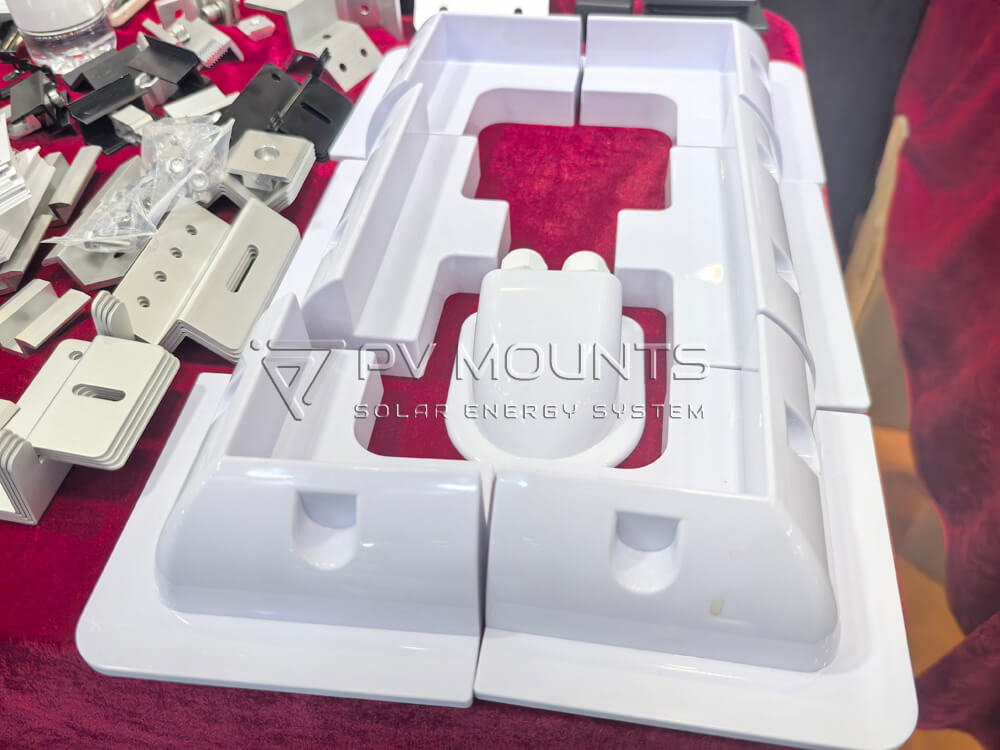
A practical guide for RV owners, installers, and solar distributors to choose the right mounting system based on RV roof type, panel size, and installation method.
1. Introduction
Choosing the right mounting system is one of the most overlooked parts of RV solar installation.
Many RV owners focus heavily on:
- Solar panel wattage
- Battery capacity
- Charge controllers
But the mounting system itself directly affects:
- Long-term stability
- Roof stress
- Aerodynamics
- Waterproof reliability
- Maintenance difficulty
Among the most common solutions for mobile solar installations, Z brackets and ABS solar mounts are widely used for RVs, campervans, caravans, boats, and off-grid vehicle systems.
However, these two mounting methods are designed for very different installation priorities.
Quick Answer
Z brackets are generally better for strength, airflow, and long-term structural stability, while ABS mounts are often preferred for lightweight installations, low-profile appearance, and simplified installation on smaller mobile solar systems.
- Z Brackets are best for strong, permanent installations on flat or slightly curved RV roofs.
- ABS Solar Mounts are better for lightweight, DIY-friendly, no-drill installations.
- Neither system is ideal for highly curved roofs.
The best choice depends on:
- Vehicle type
- Roof structure
- Driving conditions
- Solar panel size
- Installation preference
2. What Is a Z Bracket for RV Solar?
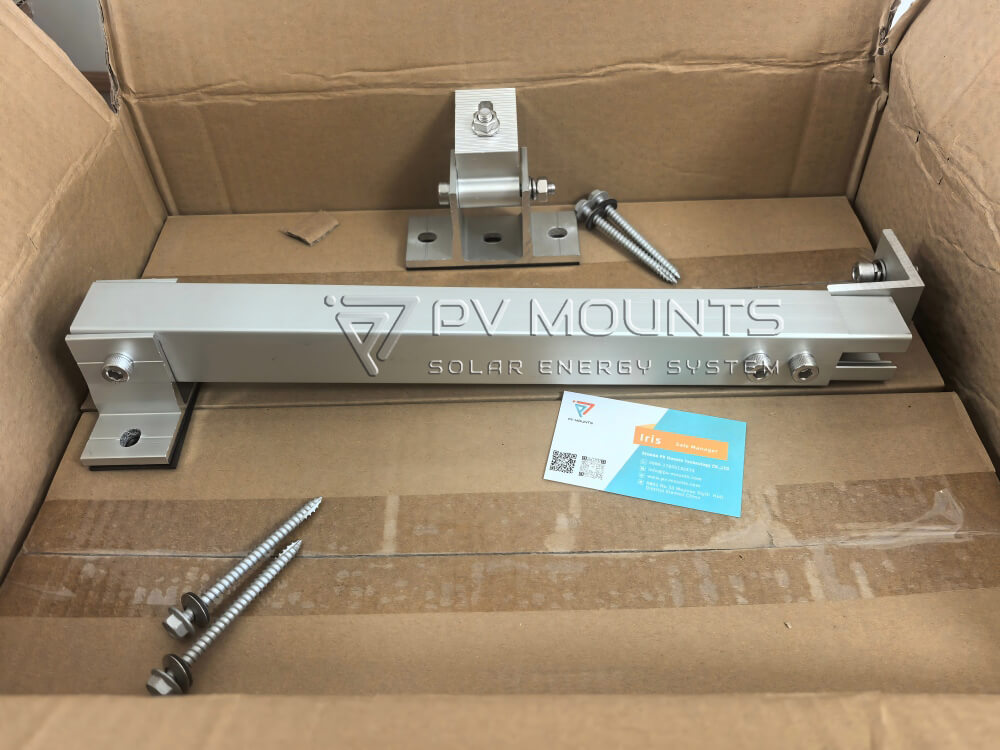
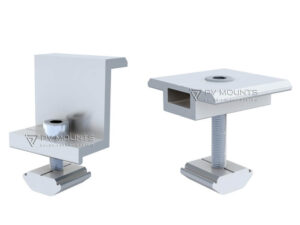
A solar Z bracket is a metal mounting bracket typically made from anodized aluminum or stainless steel.

It is commonly used to mechanically fix solar panels onto:
- RV roofs
It may slightly expand and contract under continuous outdoor temperature changes, especially during summer travel conditions. - Campervans
- Cargo trailers
- Marine vessels
- Off-grid mobile systems
Z brackets create a small gap between the solar panel and roof surface, helping improve airflow and heat dissipation.
Main Advantages of Z Brackets
☀️ Strong Structural Stability
Z brackets provide reliable support during:
- Highway driving
Continuous highway driving, crosswinds, and uneven road vibration can gradually increase mounting stress on RV solar systems over time. - Wind pressure
- Vehicle vibration
- Long-distance travel
This makes them popular for larger RV solar panel systems.
☀️Better Airflow Under Solar Panels
The raised installation design improves ventilation beneath the panel.
Lower operating temperatures may help improve long-term solar efficiency in hot outdoor environments.
☀️Easy Hardware Replacement
Metal brackets are relatively simple to inspect, replace, or re-tighten during maintenance.
What Solar Z Brackets Are Best Used For
Solar Z Brackets are most commonly used for permanent RV solar installations that require mechanical fastening and high structural strength.
They are widely used in:
- Flat RV roofs
- Larger solar panels (200W–550W)
- Professional solar installations
- Commercial RV and expedition vehicles
They can also be used on slightly curved roofs when spacers and proper sealing methods are applied, but they are not recommended for highly curved roof surfaces.
3.What Are ABS Solar Mounts?
ABS solar mounts are lightweight plastic mounting components commonly used for:
- RV solar kits
- Campervan solar systems
- Small off-grid installations
- Marine solar panels

Most ABS mounting systems use corner mounts combined with adhesive installation methods.
Some systems also include waterproof cable entry glands for cable management.
Main Advantages of ABS Solar Mounts
☀️Lightweight Installation
ABS mounts add less roof weight compared with metal mounting hardware.
This is especially useful for:
- Small campervans
- Lightweight caravans
- Compact off-grid systems
☀️Low-Profile Appearance
ABS mounts usually create a cleaner and more integrated visual appearance on vehicle roofs.
Many RV owners prefer this design for aesthetic reasons.
☀️Simplified Installation
Many ABS solar mounting kits are designed for adhesive installation, reducing the amount of roof drilling required.
This appeals to users concerned about roof penetration.
What ABS Solar Mounts Are Best Used For
ABS solar mounts are widely used in the RV and marine market because they support a clean, lightweight, and no-drill installation approach.
They are commonly used for:
- RV and campervan roofs
- Caravan solar systems
- Boat and marine installations
- Lightweight solar panel setups
They are especially popular among DIY RV owners and retail solar kit buyers due to their easy installation and roof protection benefits.
4. Z Bracket vs ABS Mount: Key Differences
| Comparison Factor | Solar Z Bracket | ABS Solar Mount |
| Anyag | Aluminum / Stainless Steel | UV-Resistant ABS Plastic |
| Installation Method | Mechanical fastening (roof penetration required) | Adhesive bonding with optional screws |
| Súly | Heavier | Lightweight |
| Tető típusa | Flat / Slight Curved | Flat / Slight Curved |
| Flat Roof Compatibility | Excellent | Excellent |
| Slightly Curved Roof Compatibility | Good | Excellent |
| Highly Curved Roof Compatibility | Limited | Limited |
| No-Drill Installation | No | Yes |
| DIY Friendliness | Good | Excellent |
| Suitable Panel Size | Medium to large panels | Small to medium panels |
| Large Solar Panels (300W+) | Excellent | Good |
| Long-Distance Travel Stability | Strong | Depends on adhesive quality |
| Structural Strength | Excellent | Good |
| Appearance | Functional & Industrial & visible hardware | Cleaner and more integrated |
| Airflow Under Panel | Better | Limited |
| Maintenance Access | Easier | Moderate |
| Wind Deflection | Standard | More aerodynamic |
| Marine Applications | Good | Excellent |
| Commercial Vehicle Use | Excellent | Good |
| Replacement Cost | Lower | Higher |
| Preferred By | Professional installers & OEM builders | RV owners and DIY users |
| Distributor Strategy | Core product line | Core product line |
This comparison is especially useful for:
- RV solar distributors
- Wholesale importers
- Solar installation companies
- Marine equipment suppliers
- E-commerce RV solar sellers
5. Which One Should You Choose?
Choose Solar Z Brackets If:
✔ You install large rigid solar panels (300W+)
✔ You prioritize maximum structural strength
✔ Your roof is flat or only slightly curved
✔ You prefer mechanical fastening
✔You are a professional installer or OEM builder
Choose ABS Solar Mounts If:
✔ You want a cleaner appearance
✔ You prefer a no-drill or minimal-drill installation
✔ You are installing solar on an RV, caravan, campervan, or boat
✔ You are targeting DIY or retail customers
6.Roof Type Section – RV Roof Compatibility Guide
Flat Roof
Both Z brackets and ABS mounts work well.
ABS mounts are more commonly used in DIY RV installations.
Slightly Curved Roof
ABS mounts perform better due to improved surface contact.
Z brackets can still be used with spacers and sealing.
Highly Curved Roof
Neither standard Z brackets nor ABS mounts are recommended.
Rail-based or custom curved mounting systems are preferred.
7. Which Mounting System Performs Better During Highway Travel?
For long-distance RV travel, vibration resistance becomes extremely important.
Continuous highway vibration, thermal expansion, and uneven road movement may gradually affect mounting stability over time.
7.1 Z Brackets
Z brackets generally perform better under:
- Heavy vibration
- High wind exposure
- Large solar panels
- Long-term highway use
Mechanical fixing provides stronger structural support in demanding travel conditions.
7.2 ABS Mounts
ABS mounts may perform well on smaller lightweight systems when properly installed with high-quality adhesive materials.
However, installation quality becomes extremely important in high-temperature or high-vibration environments.
8. Roof Stress and Load Distribution
One of the most overlooked factors in RV solar installation is roof load distribution.
Large solar panels mounted on unsupported roof sections may increase roof flexing during travel.
8.1 Z Brackets
Because Z brackets create fixed structural connection points, proper bracket positioning is important to distribute panel load evenly.
8.2 ABS Mounts
ABS corner mounts distribute pressure across wider surface areas, which may help reduce concentrated stress in some lightweight applications.
❗The best mounting system is not simply the strongest one — it is the system most compatible with the vehicle roof structure and travel conditions.
9. Waterproofing Considerations
Many RV owners assume adhesive mounting automatically eliminates leakage risk.
In reality, waterproof reliability depends more on installation quality than mounting type.
☀️ Z Bracket Waterproofing
Mechanical fixing requires proper waterproof sealing around mounting holes.
Correct sealant application and stable roof support are essential.
☀️ ABS Mount Waterproofing
ABS mounting systems may reduce roof penetrations in some installations, but adhesive quality, surface preparation, and long-term UV exposure still affect waterproof reliability.
10. Which Mounting System Is Better for Marine Applications?
Marine environments introduce additional challenges such as:
- Salt exposure
- High humidity
- UV intensity
- Constant movement
☀️ Z Brackets for Marine Use
Stainless steel or anodized aluminum Z brackets are commonly used in demanding marine environments because of their structural strength and corrosion resistance.
☀️ ABS Mounts for Marine Use
ABS mounts are also popular for smaller marine solar systems because of their lightweight design and simplified installation.
However, long-term UV exposure and adhesive durability should always be considered in harsh marine environments.
11. Which Option Is Better for Different Vehicles?
| Vehicle Type | Recommended Option |
|---|---|
| Large RV | Z Bracket |
| Campervan | ABS or Z Bracket |
| Caravan | Depends on roof structure |
| Cargo Trailer | Z Bracket |
| Small Boat | ABS Mount |
| Offshore Marine Application | Z Bracket |
12.Which Option Is Better for Different Solar Panel Size?
| Panel Size | Recommended Mount |
|---|---|
| 50W–200W | ABS or Z Bracket |
| 200W–300W | ABS or Z Bracket |
| 300W–450W | Z Bracket Preferred |
| 450W+ | Z Bracket or Rail System |
13.Which Product Is Better for Distributors?
For distributors, carrying both product lines is often the best strategy.
- Z Brackets appeal to installers and commercial users.
- ABS Mounts are popular among DIY RV owners and marine customers.
Offering both options allows distributors to cover a wider customer base.
14. Practical Recommendations Before Choosing
Before selecting a mounting system, consider:
- Roof material
- Solar panel size
- Vehicle vibration level
- Climate conditions
- Long-distance travel frequency
- Future maintenance accessibility
The best RV solar mounting system should balance:
- Structural stability
- Waterproof reliability
- Weight management
- Long-term durability
rather than focusing on only one factor.
15. Common Mistakes When Choosing RV Solar Mounts
☀️ Choosing Lightweight Mounts for Large Panels
Large solar panels create higher wind load and vibration during travel. Lightweight mounts may become unstable over time on large panels or high-speed RV applications.
☀️ Ignoring RV Roof Structure
Some RV roof areas have limited structural support. Incorrect mounting positions may increase roof flexing and long-term stress during highway travel.
☀️ Poor Adhesive Surface Preparation
Dust, moisture, or uneven surfaces can weaken adhesive bonding strength. Proper surface preparation is important for long-term mounting reliability.
☀️ Incorrect Bracket Spacing
Incorrect bracket spacing may cause uneven load distribution and additional panel movement during vibration or strong wind conditions.
Many mounting failures happen not because of the bracket itself, but because the mounting system does not match the vehicle type, roof structure, or travel conditions.
16. Conclusion
Both Z brackets and ABS solar mounts are widely used in RV and marine solar applications, but they serve different installation priorities.
Z brackets are generally better for:
- Long-distance travel
- Larger solar panels
- Strong structural support
- High-vibration environments
ABS mounts are often preferred for:
- Lightweight systems
- Compact campervans
- Cleaner roof appearance
- Simplified installation
❗The best RV solar mounting solution depends on how the vehicle is used, how often it travels, and how the roof structure handles long-term movement and outdoor exposure.
There is no single “better” solution — only the right application.
- Z Brackets → strength and professional installation
- ABS Mounts → aesthetics and DIY-friendly installation
Most distributors and installers carry both systems to serve different RV solar market segments.
If you are looking for best RV solar mounting system & accessories and Spare Parts for vehicles and vessels, Please send your detailed inquiry to info@pv-mounts.com As a professional Z bracket and ABS solar mount bracket manufacturer, we will helping you to select suitable solar kits for RVS.
FAQ about RV & Marine Solar Kits Mounting Hardware
Generally, yes. Metal Z brackets usually provide stronger structural support for larger solar panels and long-distance travel conditions.
ABS mounts themselves are not the waterproof layer. Proper adhesive application and cable sealing are still important for waterproof reliability.
Z brackets are typically more stable under continuous highway vibration and strong wind exposure.
ABS mounts are generally more suitable for small to medium solar panels. Large panels may require stronger structural support.
In most installations, yes. Mechanical fixing is commonly used with proper waterproof sealing.
oth systems can work well depending on roof structure, panel size, and installation preference.
Yes, especially for lightweight marine solar systems, but UV exposure and adhesive durability should be considered.
Z brackets are generally easier to inspect and re-tighten during long-term maintenance.
Yes, but only on slightly curved roofs with proper spacing.
Yes, when installed correctly with proper adhesive.
ABS mounts are preferred for DIY users.
Z brackets are better for large panels, ABS mounts are better for medium-size systems.
Both are widely used, serving different customer segments.
Yes, some installers mix both depending on panel layout.

 Hungarian
  English
  Spanish
  Portuguese
  Russian
  Arabic
  Romanian
  French