
Introduction
Selecting the correct rooftop attachment is one of the most important decisions in solar mounting system design.
Although solar L feet and solar roof hooks are both used to connect PV mounting structures to rooftops, they are designed for different roof applications.
The correct choice depends mainly on:
- roof type
- structural support
- installation method
- waterproof requirements
- project conditions
For most rooftop solar projects:
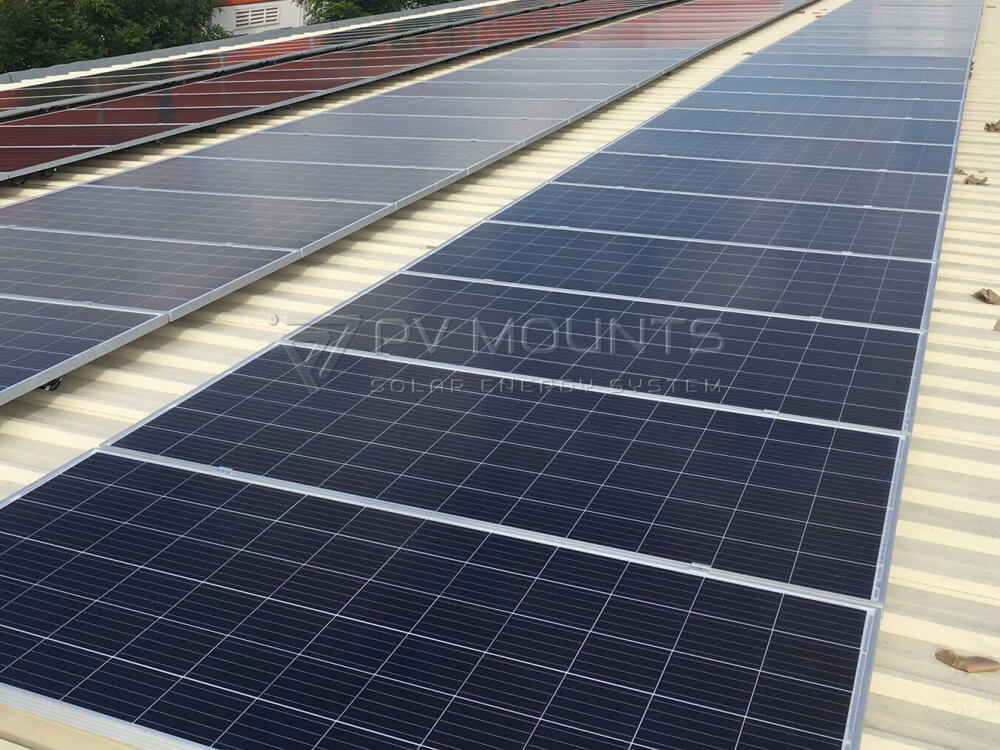
Metal roofs commonly use solar L feet systems.
Tile roofs commonly use solar roof hooks.
However, the attachment selection should not only consider the roof surface.
A reliable solar mounting design must consider the complete load transfer path:
Solar Module
↓
Solar Rail
↓
Attachment Component
↓
Fastener
↓
Roof Structure
This guide explains the differences between solar L feet and solar roof hooks, their applications, advantages, and how EPC contractors select the correct rooftop attachment solution.
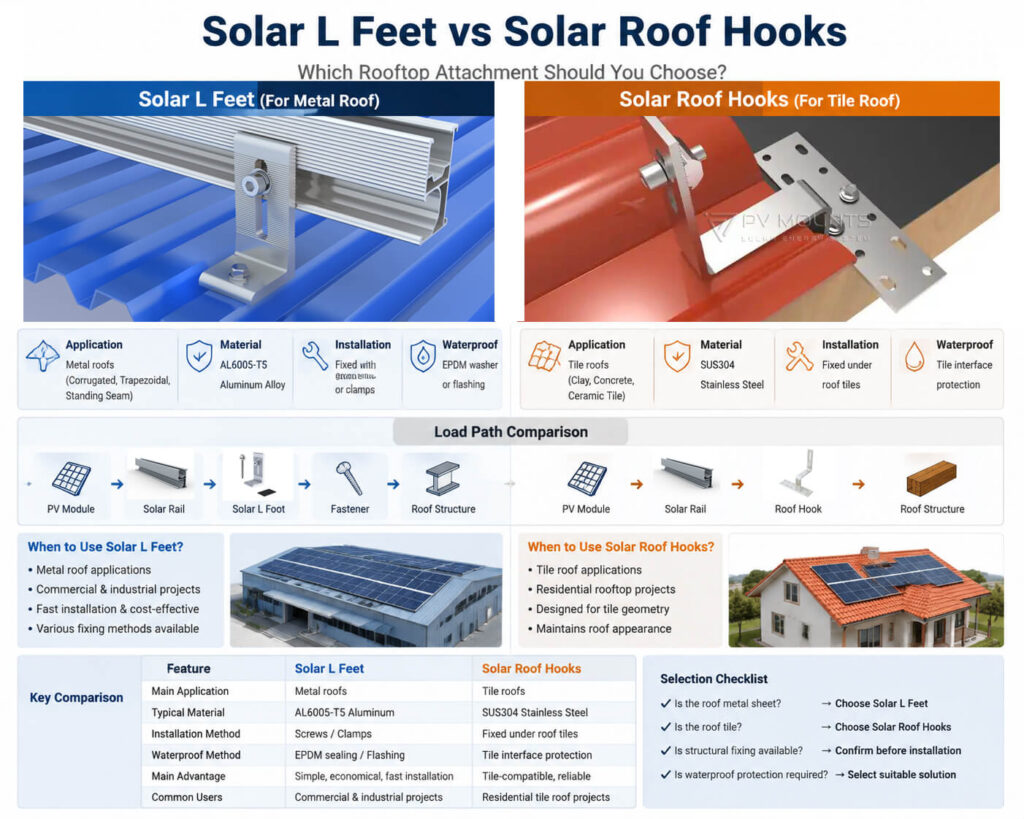
| Feature | Solar L Feet | Solar Roof Hooks |
|---|---|---|
| Main Application | Metal roofs | Tile roofs |
| Typical Material | AL6005-T5 Aluminum | SUS304 Stainless Steel |
| Roof Type | Corrugated/trapezoidal metal roof | Clay/concrete tile roof |
| Main Fixing | Screws/clamps | Roof hooks |
Quick Answer: Solar L Feet vs Solar Roof Hooks
| Comparison | Solar L Feet | Solar Roof Hooks |
|---|---|---|
| Main Application | Metal roofs | Tile roofs |
| Common Roof Type | Corrugated / trapezoidal metal roof | Clay tile / concrete tile roof |
| Installation Method | Fixed with screws or clamps | Fixed under roof tiles |
| Typical Material | Aluminum alloy | Stainless steel |
| Waterproof Method | EPDM sealing / flashing | Tile interface protection |
| Main Advantage | Simple and economical | Tile-compatible installation |
| Common Users | Commercial & industrial projects | Residential tile roof projects |
Simple rule:
- Choose solar L feet for metal roof solar mounting systems.
- Choose solar roof hooks for tile roof solar installations.
Solar L Feet vs Solar Roof Hooks: Key Difference Summary
The main difference between solar L feet and solar roof hooks is their roof application.
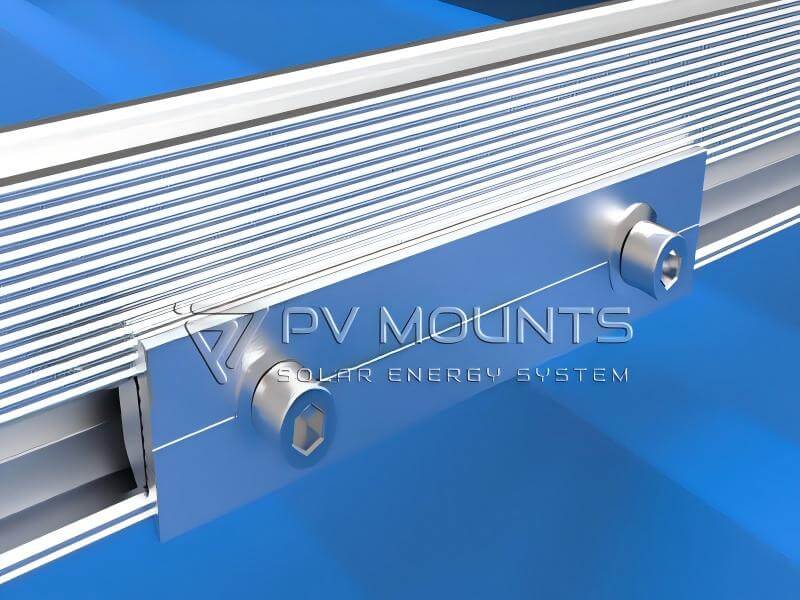
Solar L feet are mainly designed for metal roof solar mounting systems, where they connect rails to steel purlins, wood structures, or standing seam clamps.
Solar roof hooks are mainly designed for tile roof solar installations, where they are fixed to roof rafters and installed around existing tile structures.
The correct attachment depends on roof type, structural support, waterproof requirements, and project conditions.
1. What Are Solar L Feet?
Solar L feet, also called solar L foot brackets or aluminum L brackets, are commonly used in metal roof solar mounting systems. Solar L feet are aluminum mounting brackets used to connect solar rails with metal roof structures.
They are commonly used for:
- corrugated metal roofs
- trapezoidal metal roofs
- industrial warehouses
- commercial rooftop PV systems
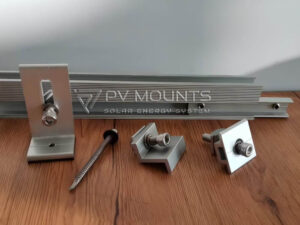
A complete L feet mounting system usually includes:
- aluminum L foot bracket
- self-tapping screws
- hanger bolts
- standing seam clamps
- EPDM waterproof washers
- solar rails
The load path is:
PV Module
↓
Solar Rail
↓
Solar L Foot
↓
Fastener
↓
Steel Purlin / Structural Member
The L foot transfers mechanical loads from the PV system into the building structure.
2. What Are Solar Roof Hooks?
Solar roof hooks are also known as tile roof hooks or solar tile hooks. Solar roof hooks are rooftop attachments designed specifically for tile roof solar mounting systems.
They are commonly used for:
- clay tile roofs
- concrete tile roofs
- ceramic tile roofs
- residential rooftop solar projects
A typical tile roof mounting system includes:
- stainless steel roof hooks
- aluminum rails
- mid clamps
- end clamps
- mounting accessories
The installation method usually requires positioning the roof hook underneath or between roof tiles and fixing it to the roof structure.
The load path is:
PV Module
↓
Solar Rail
↓
Tile Roof Hook
↓
Roof Structure
3. Solar L Feet vs Solar Roof Hooks: Application Differences
3.1 Metal Roof Applications: Solar L Feet
For metal roof solar projects, L feet are usually the preferred attachment solution.
Typical applications:
- factories
- warehouses
- commercial buildings
- industrial rooftops
Common configurations:
Corrugated Metal Roof
Recommended:
Solar L Feet + Self-Tapping Screws
Advantages:
- fast installation
- simple structure
- cost-effective
Standing Seam Metal Roof
Recommended:
Solar L Feet + Standing Seam Clamp
Advantages:
- no roof penetration
- maintains roof waterproof layer
- reduces leakage risk
3.2 Tile Roof Applications: Solar Roof Hooks
Tile roofs require attachment solutions that can adapt to the tile structure.
Recommended:
Solar Roof Hooks
Advantages:
- designed for tile roof geometry
- maintains tile installation
- suitable for residential applications
Common considerations:
- tile type
- roof hook height
- roof structure
- waterproof protection
4. Structural Difference Between L Feet and Roof Hooks
The biggest difference is not the bracket shape.
It is the connection method.
Solar L Feet
Designed to connect with:
- metal roofing structures
- steel purlins
- wooden structures
- standing seam clamps
The fixing method usually includes:
- self-tapping screws
- wood screws
- hanger bolts
- clamps
Solar Roof Hooks
Designed to connect with:
- roof rafters
- wooden roof structures
- tile roof supporting systems
The hook must be positioned correctly to transfer loads into the roof structure.
Structural Difference Between L Feet and Roof Hooks
The main engineering difference between solar L feet and solar roof hooks is the way loads are transferred into the building structure.
Solar L feet normally transfer loads through fasteners connected to:
- steel purlins
- wooden supports
- structural members
Solar roof hooks transfer loads through:
- roof rafters
- tile roof supporting structures
Therefore, attachment selection should always match the roof structure and load path.
Fastener Selection Consideration
Fastener selection should match:
- roof substrate
- structural member type
- required embedment depth
- pull-out resistance
- corrosion environment
The attachment component and fastener should always be evaluated as one complete structural connection.
Can Solar L Feet Replace Solar Roof Hooks?
Solar L feet and solar roof hooks are not interchangeable attachment solutions.
Solar L feet are mainly designed for metal roof structures where fasteners connect the bracket to structural members such as steel purlins or wooden supports.
Solar roof hooks are designed for tile roof systems where the hook geometry must match the tile layout and roof structure.
Using the wrong attachment method may cause:
- improper load transfer
- installation difficulty
- waterproofing problems
- reduced system reliability
5. Waterproofing Comparison
Waterproofing is an important consideration for rooftop solar systems.
Solar L Feet Waterproofing
Metal roof systems usually use:
- EPDM washers
- sealing screws
- flashing solutions
The key requirement:
The fastener must create a reliable seal after roof penetration.
Solar Roof Hook Waterproofing
Tile roof systems usually depend on:
- correct hook installation
- tile adjustment
- flashing solutions when required
The roof tile itself remains part of the waterproof system.
6. How EPC Contractors Choose Between Solar L Feet and Roof Hooks?
Professional EPC contractors usually evaluate:
1. Roof Type
Metal roof:
→ Solar L Feet
Tile roof:
→ Solar Roof Hooks
2. Structural Support
The attachment must connect to:
- steel purlins
- wooden rafters
- structural members
The roof covering itself should not be considered the primary structural fixing point.
3. Installation Efficiency
Commercial projects usually prioritize:
- installation speed
- material availability
- labor efficiency
Therefore, L feet systems are commonly selected for large metal roof projects.
4. Project Environment
Factors include:
- wind load
- snow load
- corrosion environment
Attachment selection should match project engineering requirements.
Procurement Considerations for EPC Solar Projects
| Evaluation Factor | Why EPC Buyers Care |
| Material consistency | Ensures stable product performance |
| Technical documents | Supports engineering approval |
| Certification | Helps project compliance |
| Delivery capability | Reduces project delays |
| OEM support | Supports distributor business |
For EPC contractors, attachment selection is not only based on roof compatibility.
Professional procurement teams also consider:
- supplier production capability
- material consistency
- technical documentation
- certification availability
- delivery reliability
- customization capability
For large rooftop PV projects, choosing a reliable attachment supplier helps reduce installation risks and procurement delays.
What Should EPC Buyers Request From Solar Attachment Suppliers?
| Document | Purpose |
| Product drawing | Engineering approval |
| Material specification | Verify aluminum/stainless steel |
| Test reports | Confirm performance |
| Installation guide | Reduce installation errors |
| BOM support | Project procurement |
7. Solar L Feet vs Solar Roof Hooks: Material Comparison
| Item | Solar L Feet | Solar Roof Hooks |
|---|---|---|
| Typical Material | AL6005-T5 Aluminum | SUS304 Stainless Steel |
| Corrosion Resistance | High | Very High |
| Weight | Lightweight | Strong stainless structure |
| Application | Metal roof | Tile roof |
| Customization | Common | Common |
8. Which Attachment Is More Cost Effective?
There is no universal answer.
The cost depends on:
- roof type
- installation complexity
- material requirement
- labor cost
For large commercial metal roof projects:
Solar L feet systems are usually more economical because:
- faster installation
- simple components
- efficient construction
For tile roof projects:
Solar roof hooks are more suitable because they match the roof structure.
9. Common Mistakes When Selecting Rooftop Attachments
Mistake 1: Choosing Based Only on Price
The cheapest attachment may not provide:
- correct structural connection
- suitable waterproof protection
- long-term reliability
Mistake 2: Using L Feet on Tile Roofs Without Proper Design
L feet are mainly designed for metal roof applications.
Tile roofs normally require dedicated roof hooks.
Mistake 3: Ignoring Structural Support
Both systems must connect to structural members.
The attachment should not rely only on:
- roof sheet
- tile surface
10. PV-MOUNTS Rooftop Attachment Solutions
PV-MOUNTS provides rooftop solar mounting attachment solutions for different roof applications.
Solutions include:
Metal Roof Applications
- aluminum solar L feet
- mini rail systems
- self-tapping screw solutions
- hanger bolt solutions
- standing seam clamp solutions
Tile Roof Applications
- stainless steel solar roof hooks
- adjustable tile roof hooks
- tile roof mounting accessories
PV-MOUNTS supports:
- EPC contractors
- solar installers
- distributors
With:
- technical drawings
- BOM support
- OEM customization
- project quotation support
Solar L Feet vs Solar Roof Hooks Selection Checklist
| Question | Recommended Solution |
|---|---|
| Is the roof metal sheet? | Solar L Feet |
| Is the roof tile? | Solar Roof Hooks |
| Is the project commercial warehouse? | Solar L Feet |
| Does the roof require no penetration? | Standing seam clamp + L feet |
| Is waterproof protection critical? | Select attachment according to roof structure |
| Is structural fixing available? | Confirm before installation |
FAQ
Solar L feet are mainly used for metal roof solar mounting systems, while solar roof hooks are mainly used for tile roof solar installations.
Generally, solar L feet are designed for metal roof applications. Tile roofs usually use dedicated solar roof hooks.
Solar roof hooks are not commonly used for metal roofs. Metal roofs normally use L feet, mini rails, or standing seam clamps.
Neither is universally better. The correct choice depends on roof type, structural support, and project requirements.
Solar L feet are commonly used for:
*corrugated metal roofs
*trapezoidal metal roofs
*industrial rooftops
*commercial PV projects
Solar roof hooks are commonly used for:
*clay tile roofs
*concrete tile roofs
*ceramic tile roofs
Yes. Solar L feet can be customized according to:
*dimensions
*hole position
*accessories
*project requirements
Important information includes:
*roof type
*roof structure
*project location
*wind load
*solar module specification
Yes. Penetrating systems require proper sealing methods such as EPDM washers or flashing solutions.
EPC contractors should evaluate:
*roof compatibility
*structural connection
*waterproof requirements
*installation efficiency
*supplier capability
Conclusion: Solar L Feet or Solar Roof Hooks?
Solar L feet and solar roof hooks are designed for different rooftop applications.
For metal roof solar projects:
Solar L feet are usually the preferred solution.
For tile roof solar projects:
Solar roof hooks are usually the preferred solution.
The correct rooftop attachment selection should consider:
- roof type
- structural support
- waterproof requirements
- environmental conditions
- installation requirements
PV-MOUNTS provides both:
- aluminum solar L feet solutions for metal roofs
- stainless steel solar roof hooks for tile roofs
Supporting EPC contractors, installers, and distributors with:
- product selection
- technical documentation
- BOM assistance
- customized solar mounting solutions

 English
  Spanish
  Portuguese
  Russian
  Hungarian
  Arabic
  Romanian
  French