
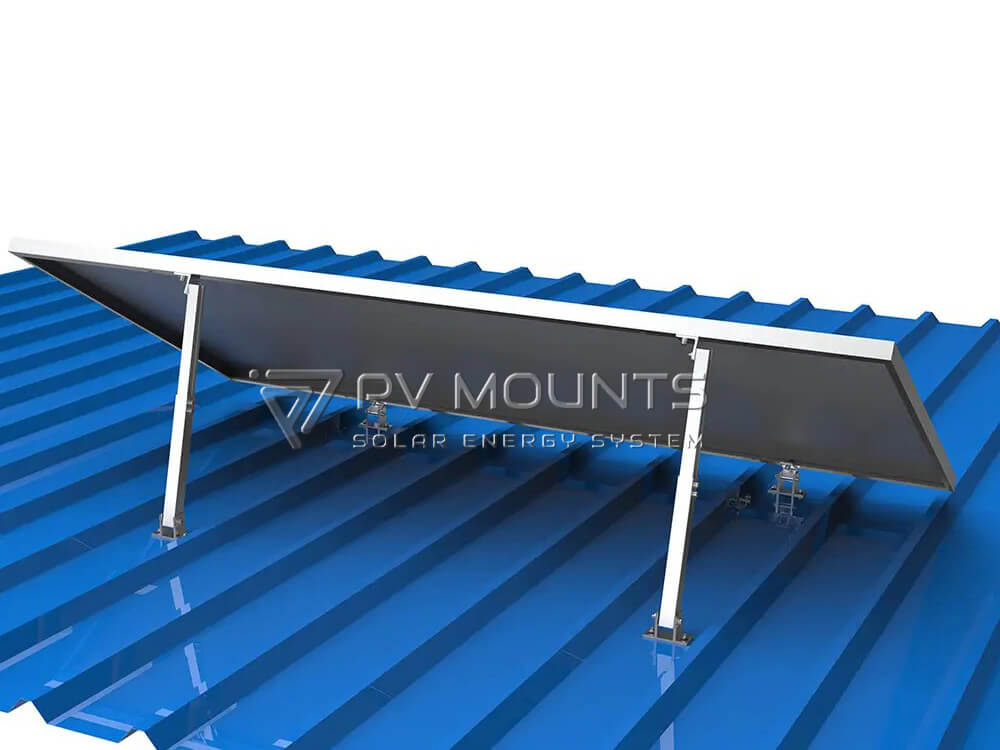
Engineered Penetration, Sealed Fixation, and Adjustable Tilt Performance
Adjustable tilt solar mounting solutions for corrugated and trapezoidal metal roofs use engineered roof penetration combined with EPDM sealing systems to ensure waterproofing and structural safety. By integrating adjustable front and rear tilt legs with sealed fasteners, these systems correct roof slope limitations, improve solar energy output, and maintain long-term reliability in commercial and industrial rooftop projects.
1. Corrugated & Trapezoidal Metal Roofs: A Different Engineering Logic
Unlike standing seam roofs, corrugated and trapezoidal metal roofs are designed to be penetrated.
They are widely used on:
- Industrial factories
- Warehouses
- Workshops
- Agricultural buildings
- Logistics centers
Structural reality:
- Roof sheets are mechanically fixed to purlins
- Penetration is expected and manageable
- Waterproofing relies on proper sealing, not avoidance
👉 Therefore, the correct question is not “penetration or not”, but “Is the penetration engineered, sealed, and load-safe?”
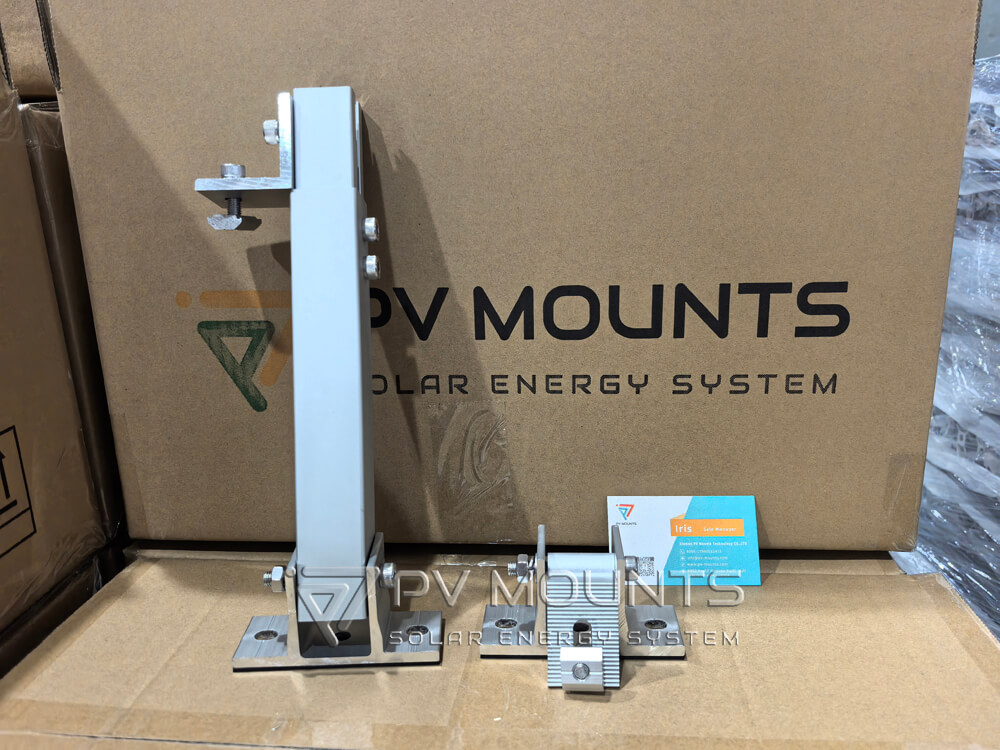
2. Why Adjustable Tilt Is Still Necessary on Corrugated Metal Roofs
Most corrugated / trapezoidal roofs have slopes between 2°–10°, chosen for drainage—not solar optimization.
Core conflict:
- Roof slope is too shallow for optimal solar angle
- Flush-mounted panels underperform, especially in winter
- Fixed tilt limits annual energy yield
Adjustable solar panel tilt mounts solve this by:
- Decoupling panel angle from roof slope
- Allowing predefined tilt ranges:
- 10°–15°
- 15°–30°
- 30°–60°
- Improving seasonal and annual energy production
This makes adjustable solar panel mounts a performance-driven upgrade for metal roof PV projects.
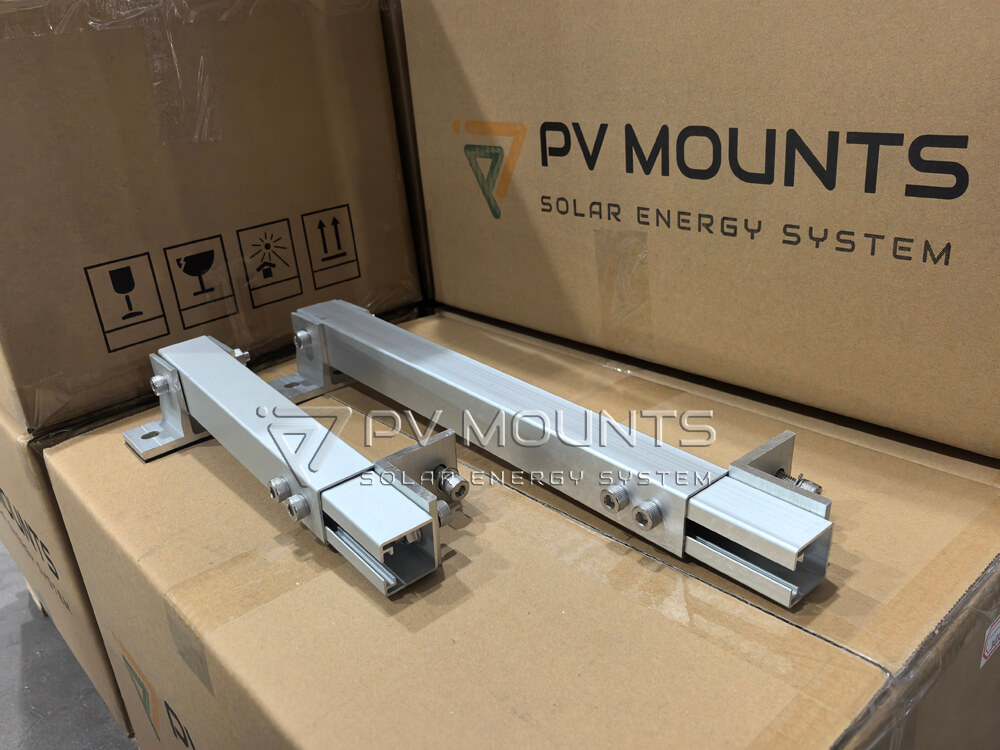
3. Penetration vs Sealing: The Real Safety Boundary
Penetration itself is not the risk. Unsealed penetration is.
Correct engineering approach includes:
- Stainless steel fasteners into purlins
- EPDM sealing washers under fastener heads
- EPDM pads between brackets and roof sheet
- Controlled torque to prevent sheet deformation

When executed correctly:
- Waterproofing is permanent
- Wind uplift is safely transferred to structure
- Thermal expansion remains manageable
This is why adjustable mounting brackets for corrugated roofs must be designed as a system—not loose components.
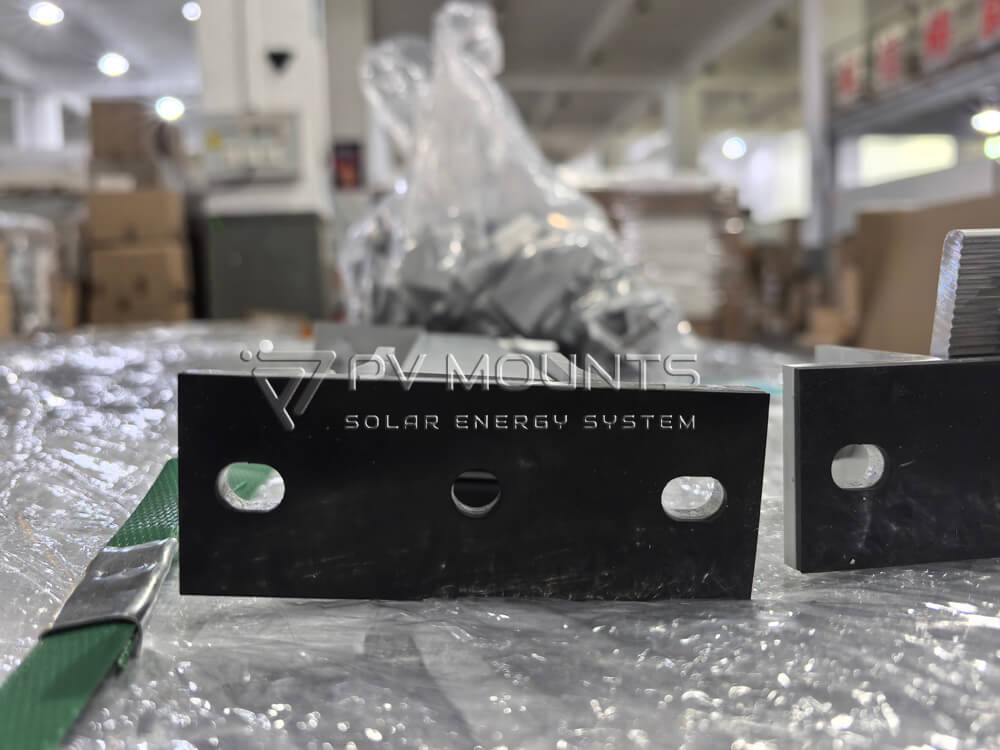
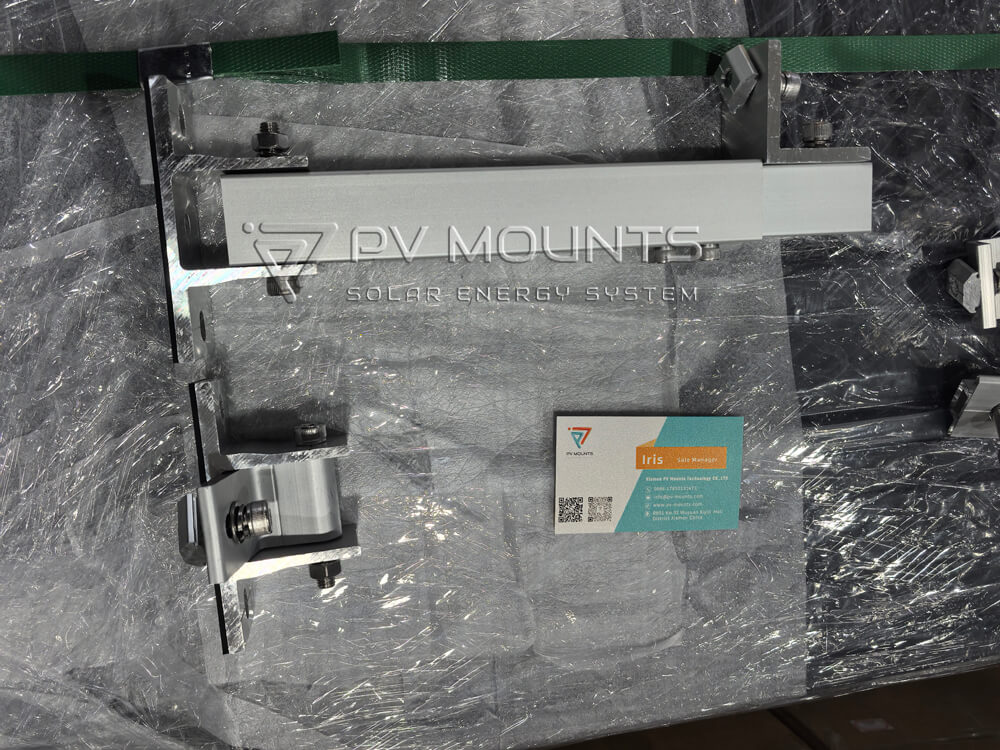
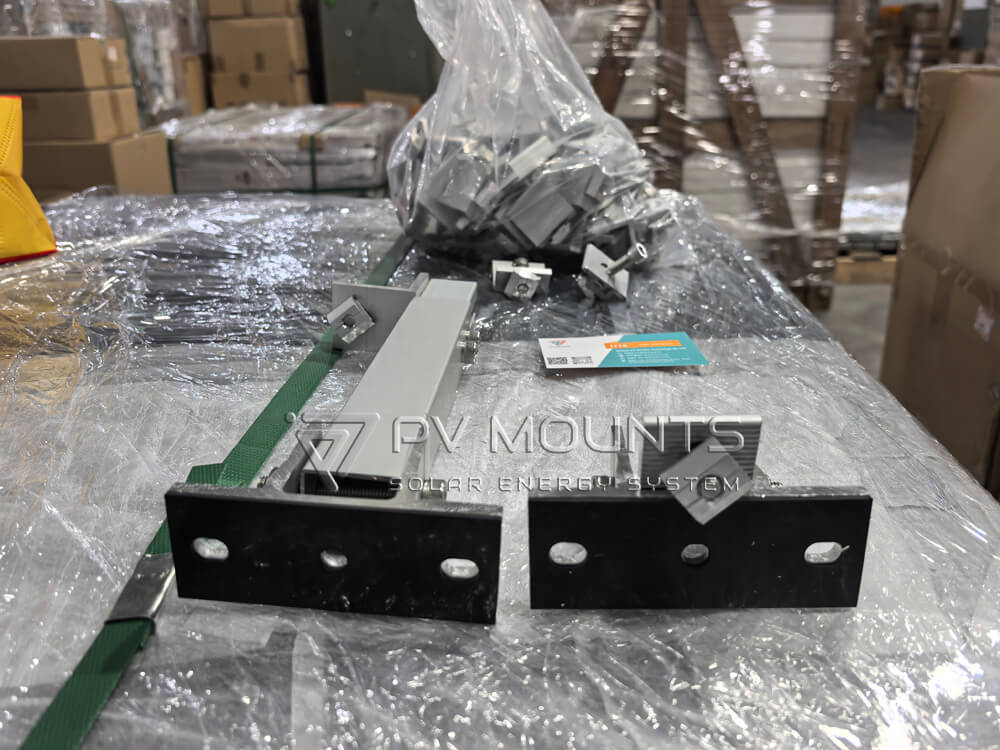
4. Typical Adjustable Tilt Structure for Corrugated Metal Roofs
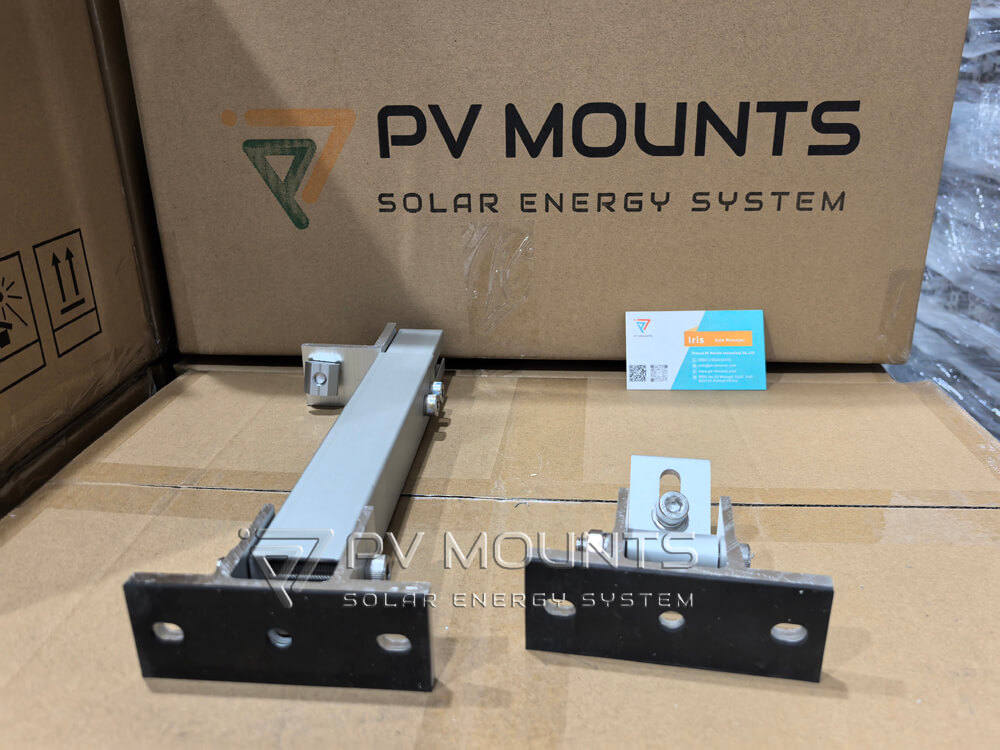
A standard adjustable tilt solar mounting system for corrugated/trapezoidal roofs includes:
- Front fixed tilt leg
- Rear adjustable tilt leg
- Aluminum support rails or direct-mount arms
- L-foot or base bracket (roof-contact point)
- SUS304 stainless steel fasteners
- EPDM sealing washers & isolation pads
Material logic:
- AL6005-T5 anodized aluminum for strength + corrosion resistance
- Acier inoxydable SUS304 for fasteners
- EPDM for waterproofing, vibration isolation, and lifespan
5. Wind Load & Structural Load Transfer
Corrugated metal roofs often appear lightweight—but structural strength comes from the purlin system beneath.
Adjustable tilt systems are engineered to:
- Transfer wind uplift loads directly into purlins
- Distribute loads across multiple fixing points
- Prevent local sheet deformation
Compared to flush mounts, adjustable systems:
- Raise panel height → higher wind exposure
- Require more disciplined structural spacing
This is why:
- Bracket spacing
- Fastener quantity
- Load calculations
must be defined at the design stage.
6. Maintenance, Waterproofing & Long-Term Reliability
When properly installed, sealed penetration systems are extremely stable.
Long-term advantages:
- EPDM washers maintain elasticity for years
- No recurring sealant replacement
- Minimal inspection requirements
- Easy module replacement or system expansion
This makes adjustable tilt solar mounting solutions suitable for:
- Long-life industrial rooftops
- Owner-operated facilities
- EPC projects with performance guarantees
7. Typical Use Case Cases for Corrugated & Trapezoidal Roofs
Adjustable tilt systems are commonly applied to:
- Industrial rooftops with low slopes
- High-latitude regions needing steeper winter tilt
- Projects prioritizing ROI over lowest upfront cost
- Retrofit installations replacing underperforming flush systems
In these scenarios, adjustable solar panel brackets offer a balance between cost, performance, and engineering safety.
Conclusion
Corrugated and trapezoidal metal roofs do not require penetration avoidance—they require penetration done correctly. Adjustable tilt solar mounting systems designed for these roofs combine sealed fixation, structural load control, and optimized tilt angles to unlock higher energy performance without compromising roof integrity.
When paired with EPDM-sealed fasteners, aluminum adjustable tilt brackets provide a durable, serviceable, and performance-driven solution for commercial and industrial solar projects on metal roofs.
FAQ
Q1: Do adjustable tilt mounts require roof penetration on corrugated roofs?
Yes, penetration is required, but it is fully sealed using EPDM washers and pads.
Q2: Is penetration safe for metal roof solar installations?
When fastened into purlins and properly sealed, penetration is structurally safe and waterproof.
Q3: Can adjustable tilt mounts be used on trapezoidal profiles?
Yes, they are compatible with most trapezoidal metal roof profiles using appropriate base brackets.
Q4: What tilt angles are available?
Common predefined ranges include 10°–15°, 15°–30°, and 30°–60°.
Q5: Are adjustable tilt systems harder to maintain?
No. Properly installed systems require minimal maintenance and no recurring sealing work.

 French
  English
  Spanish
  Portuguese
  Russian
  Hungarian
  Arabic
  Romanian