
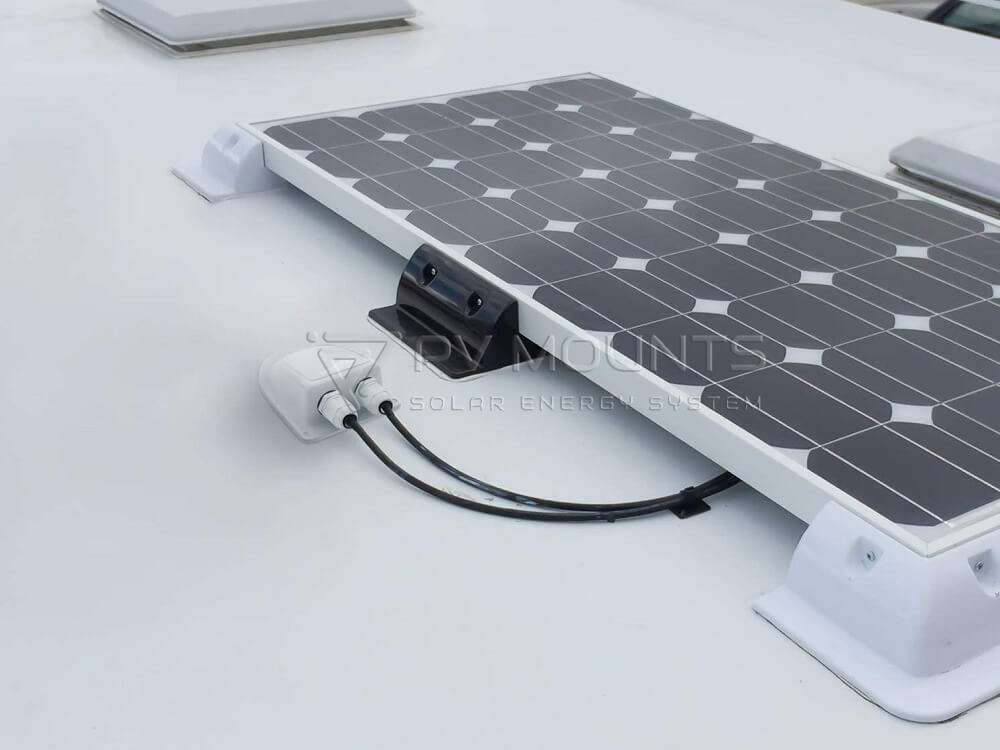
1.Introduction
Many RV owners are turning to RV & Marine Solar Kits Mounting Hardware as a reliable solution for off-grid power, ensuring their solar systems remain stable during travel in vans, RVs, buses, and cargo trailers. But one of the most common concerns in RV solar installation is roof leakage.
Many RV owners worry that installing solar panels may lead to:
- Water intrusion
- Hidden mold damage
- Roof deterioration
- Expensive repairs over time
In reality, properly installed RV solar systems should not cause roof leaks.
Most leakage problems are caused by:
- Incorrect installation methods
- Poor waterproof sealing
- Weak roof fixing positions
- Improper cable entry protection
As off-grid travel becomes more popular, RV & marine solar kits, campervan solar systems, and solar kits for van, RV, bus, and cargo trailers are being installed on a wider range of mobile applications than ever before.
Because these vehicles constantly move, vibrate, and face changing outdoor conditions, waterproof installation design is far more important than in traditional rooftop solar projects.
Properly installed RV solar panels should not cause roof leaks. Most leakage problems come from poor waterproof sealing, incorrect mounting positions, or low-quality installation methods rather than the solar panels themselves.
2.Why RV Solar Installations Require Different Waterproofing Methods
Unlike residential solar systems, mobile solar installations experience continuous movement during daily use.
RV roofs are exposed to:
- Highway vibration
Continuous highway vibration and uneven road conditions can gradually weaken poorly supported mounting points over time. - Uneven road movement
- Thermal expansion from outdoor temperatures
- Wind pressure during travel
- Rainwater accumulation
- UV exposure
Over time, these conditions can slowly weaken poorly installed mounting points or low-quality waterproof sealing materials.
This is why RV solar panel mounting systems require different installation considerations compared with standard building rooftops.
3.The Most Common Causes of RV Roof Leaks
3.1 Incorrect Mounting Position
One of the biggest installation mistakes is fixing solar panel brackets into weak or unsupported roof areas.
Thin roof surfaces may flex during travel, especially on uneven roads, creating long-term stress around mounting points.
Over time, this movement can weaken waterproof seals.
3.2 Poor Waterproof Sealant
Not all sealants are designed for outdoor mobile applications.
Low-quality sealants may:
- Crack under UV exposure
- Shrink during temperature changes
- Lose flexibility under vibration
❗A waterproof RV solar installation depends on long-term sealing stability, not just initial waterproof performance.
3.3 Over-Tightened Screws
Excessive screw pressure can deform roof surfaces or damage sealing washers.
This may create small gaps that gradually allow water intrusion.
3.4 Improper Cable Entry Protection
Solar cable entry points are one of the most overlooked areas in RV solar installation.
Without a waterproof cable entry gland, moisture may slowly penetrate around exposed cable openings.
Proper cable management is essential for long-term waterproof reliability.
4. Common RV Solar Installation Mistakes
Many roof leakage problems are caused by avoidable installation errors rather than the solar panels themselves.
4.1 Using Household Sealants Outdoors
Indoor sealants may fail quickly under UV exposure and outdoor temperature changes.
4.2 Installing on Unsupported Roof Sections
Large solar panels mounted on weak roof areas may increase roof flexing during travel.
Thin RV roof structures may flex slightly during travel, especially on uneven roads or high-speed highways.
4.3 Poor Cable Routing
Loose cables may create additional movement and long-term stress around roof entry points.
4.4 Ignoring Periodic Inspection
Even high-quality RV solar mounting systems should be inspected periodically after long-distance travel or extended outdoor exposure.
| Problem | Main Cause | Recommended Solution |
|---|---|---|
| Roof leakage | poor sealing | UV-resistant waterproof sealant |
| Loose panels | vibration | reinforced fixing |
| Cable water intrusion | exposed entry holes | waterproof cable gland |
| Roof stress | poor load distribution | proper bracket spacing |
5. Is Drilling into an RV Roof Safe?
Yes — when properly installed.
Most professional RV solar mounting systems use mechanical fixing because it provides better long-term stability than adhesive-only installation methods.
The key is not avoiding drilling completely.
The key is ensuring:
- Correct fixing positions
- Stable roof support
- Flexible waterproof sealing
- Proper cable entry protection
❗A properly sealed mounting point is generally safer than a poorly installed adhesive-only system exposed to long-term highway vibration.
6. Why Roof Structure Matters in RV Solar Installation
Large solar panels installed on unsupported roof sections may create additional stress during highway travel.
Proper load distribution helps reduce roof flexing and long-term waterproofing fatigue.
7. Adhesive Mounting vs Mechanical Fixing
Whether you are installing solar systems for vans, RVs, buses, or cargo, choosing the right RV & Marine Solar Kits Mounting Hardware ensures long-lasting durability. Some RV owners prefer adhesive mounting systems to avoid drilling holes.
Adhesive solutions may work in certain lightweight applications, especially for small campervan solar systems or temporary installations.
However, for larger RV solar panel kits, caravan solar systems, or off-grid solar setups exposed to continuous travel vibration, mechanical fixing generally provides stronger long-term reliability.
| Installation Method | Main Advantage | Main Limitation |
|---|---|---|
| Adhesive Mounting | No roof penetration | Limited long-term vibration resistance |
| Mechanical Fixing | Strong structural support | Requires proper waterproof sealing |
8. How Professional RV Solar Installations Reduce Leak Risk
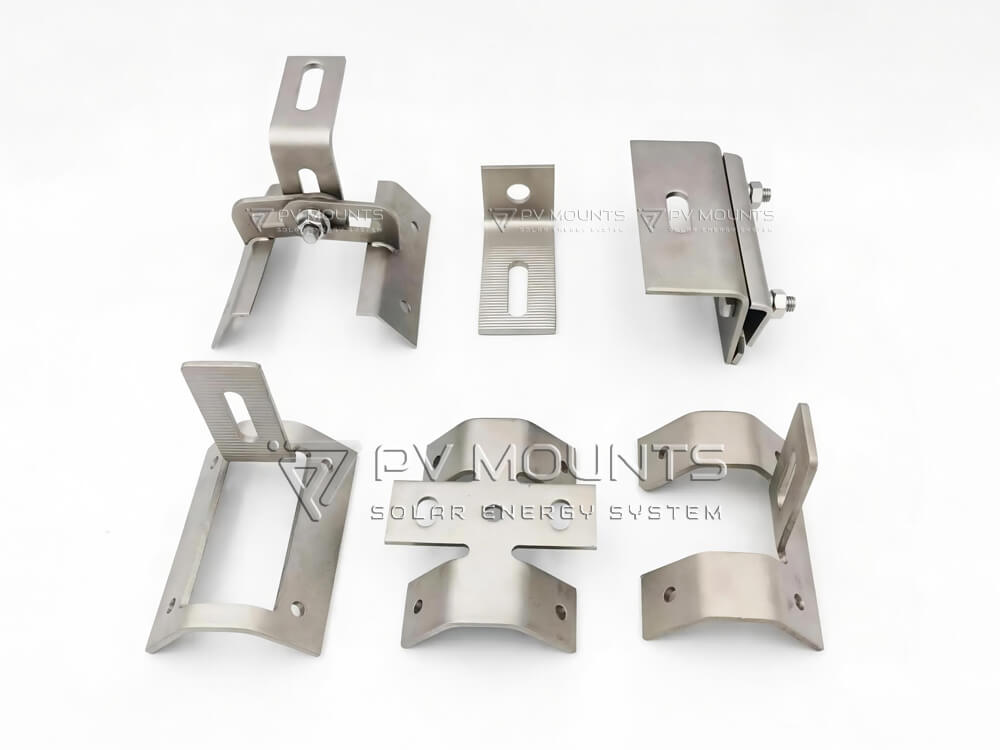
8.1 Use Corrosion-Resistant Mounting Hardware
High-quality RV & marine solar kits mounting hardware should resist:
- Outdoor humidity
- UV exposure
- Long-term vibration
- Corrosion in coastal environments
8.2 Protect Cable Entry Points Properly
A waterproof cable entry gland helps protect solar cables while reducing leakage risk around roof penetration areas.
This is especially important for:
- RV solar panel kits
- Campervan solar systems
- Caravan appliances and accessories
- Marine solar installations
8.3 Reduce Roof Stress
Proper bracket spacing and load distribution help minimize roof movement during travel.
Large panels may require reinforced support depending on roof structure and vehicle application.
8.4 Perform Periodic Inspection
During routine inspections, check that all Caravan Appliances, Accessories, and Spare Parts are secure, and ensure the solar kits remain stable during all driving conditions.
Regular inspection helps identify:
- Cracked sealant
- Loose mounting hardware
- Cable movement
- Early waterproofing failure
before serious roof damage occurs.
Most importantly, Using high-quality RV & Marine Solar Kits Mounting Hardware is key to ensuring the stability of solar panels, especially on larger vehicles like buses or cargo trailers
9. Signs of Potential Waterproofing Problems
Early detection helps prevent expensive RV roof repairs.
Common warning signs include:
- Water stains inside the vehicle
- Soft roof areas
- Cracked sealant around brackets
- Loose cable entry covers
- Movement around mounting hardware
10. Practical Recommendations for RV Solar Installation
To improve long-term waterproof reliability:
- Use outdoor-grade waterproof sealants
- Protect all cable entry points
- Avoid unsupported roof areas
- Use corrosion-resistant mounting hardware
- Inspect the system periodically after travel
Whether installing solar kits for van, RV, bus, and cargo trailers or upgrading off-grid caravan solar systems, proper waterproof installation is essential for long-term reliability.
11. Conclusion
RV solar panels do not automatically cause roof leaks.
Most leakage problems result from poor installation practices, weak waterproof sealing, or incorrect mounting methods.
A properly installed RV solar mounting system should remain secure and waterproof during years of outdoor travel.
Long-term reliability depends on:
- Correct fixing positions
- Stable roof support
- Waterproof cable management
- Flexible sealing materials
- Quality mounting hardware
❗In mobile solar applications, installation quality matters just as much as the solar panels themselves.
12. FAQ
Not directly. Most RV roof leaks are caused by poor installation or incorrect waterproof sealing around mounting points.
Yes. Continuous highway vibration can gradually loosen poorly installed mounting systems over time.
Yes, when properly sealed and installed on suitable roof structures.
Common causes include vibration, weak fixing points, poor bracket spacing, and long-term thermal movement.
Improper installation on unsupported roof areas may create long-term roof stress or deformation.
It helps seal cable penetration points and reduces the risk of water intrusion around solar cable openings.
Periodic inspection is recommended, especially after long-distance travel or extended outdoor exposure.
Not always. Adhesive mounting may work for lightweight systems, but mechanical fixing generally provides better long-term stability under vibration and highway travel conditions.
It depends on the RV manufacturer’s warranty policy. Improper installation may affect warranty coverage, while professionally sealed solar mounting systems are commonly used in RV installations.
Yes, small amounts of water may flow beneath solar panels during rain. Proper waterproof sealing and drainage design help prevent water intrusion into the RV roof.
UV-resistant outdoor sealants designed for vibration, waterproofing, and temperature changes are generally recommended for RV solar installations.
Improper installation on weak or unsupported roof areas may create long-term stress or roof deformation. Proper load distribution and correct fixing positions help prevent damage.
The best solar kits for long-distance travel are those specifically designed for durability and vibration resistance. Look for kits with robust mounting hardware, weatherproof solar panels, and high-capacity charge controllers, ensuring stability over miles of highway driving.
Caravan appliances and accessories can impact solar system stability by adding weight or shifting during travel. Ensuring these items are securely mounted and evenly distributed helps reduce strain on the roof, cables, and mounting hardware, improving long-term performance.

 French
  English
  Spanish
  Portuguese
  Russian
  Hungarian
  Arabic
  Romanian